Understanding Renewable Energy Options: A Mid-Atlantic Perspective
Ki
As the world moves towards a more sustainable future, the importance of renewable energy cannot be overstated. For those in the Mid-Atlantic region of the United States, understanding the various renewable energy options available is crucial for making informed decisions that benefit both the environment and the economy.

Solar Power
Solar power is one of the most widely recognized forms of renewable energy. In the Mid-Atlantic, solar panels are becoming increasingly prevalent on residential rooftops, commercial buildings, and even large solar farms. The region's moderate climate and ample sunlight make it an ideal location for harnessing solar energy.
Installing solar panels can significantly reduce electricity bills and contribute to a cleaner environment. Many states in the Mid-Atlantic offer incentives and rebates to encourage homeowners and businesses to invest in solar technology. These programs can help offset the initial costs and make solar power a more accessible option.
Wind Energy
Wind energy is another viable renewable energy source that is gaining traction in the Mid-Atlantic. Offshore wind farms, in particular, hold great potential due to the region's proximity to the Atlantic Ocean. These wind farms can generate a substantial amount of power and help reduce reliance on fossil fuels.
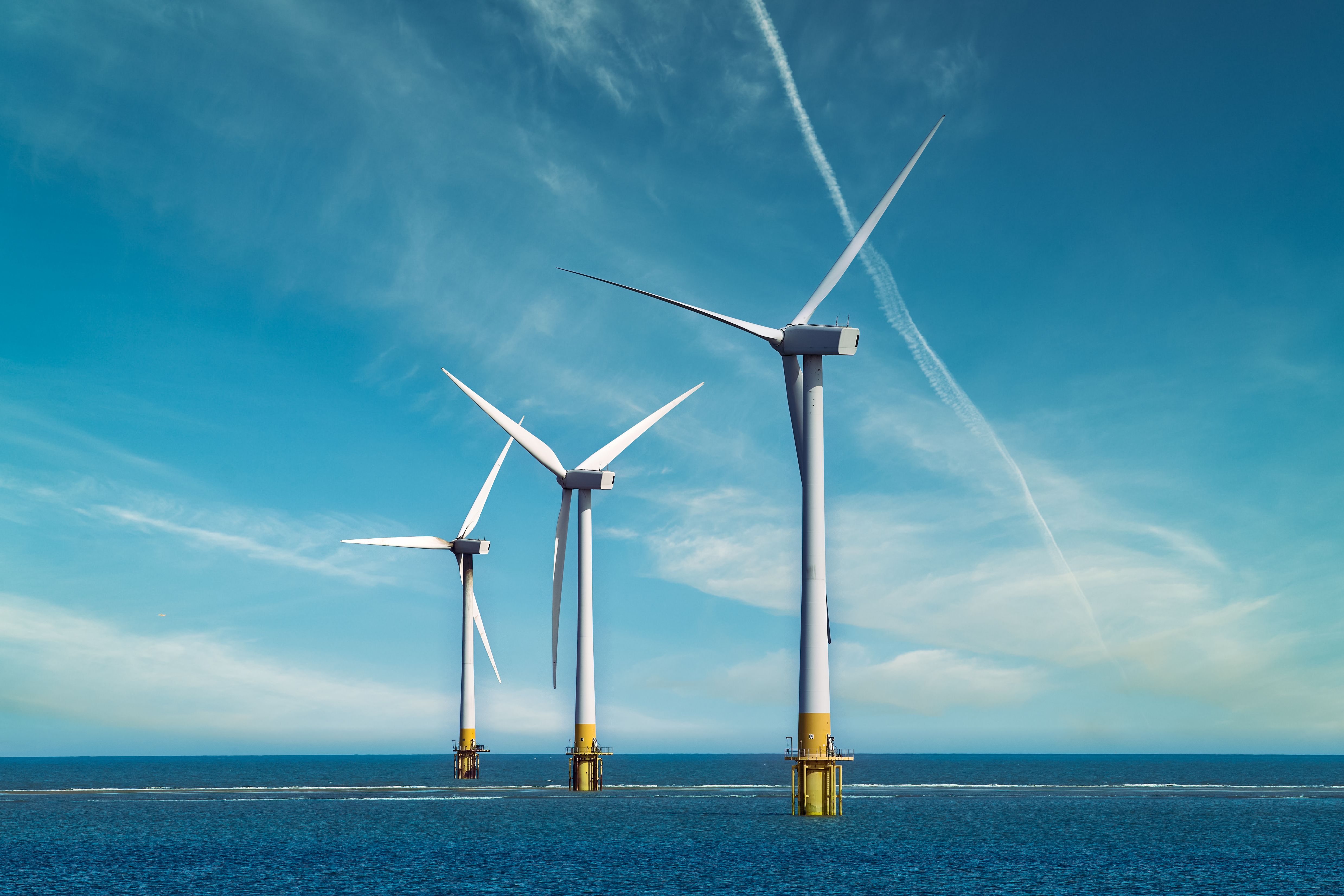
Onshore wind farms are also being developed, often in rural areas where there is ample space and wind availability. The development of wind energy projects can create jobs and stimulate local economies, making it a compelling choice for sustainable energy production.
Hydropower
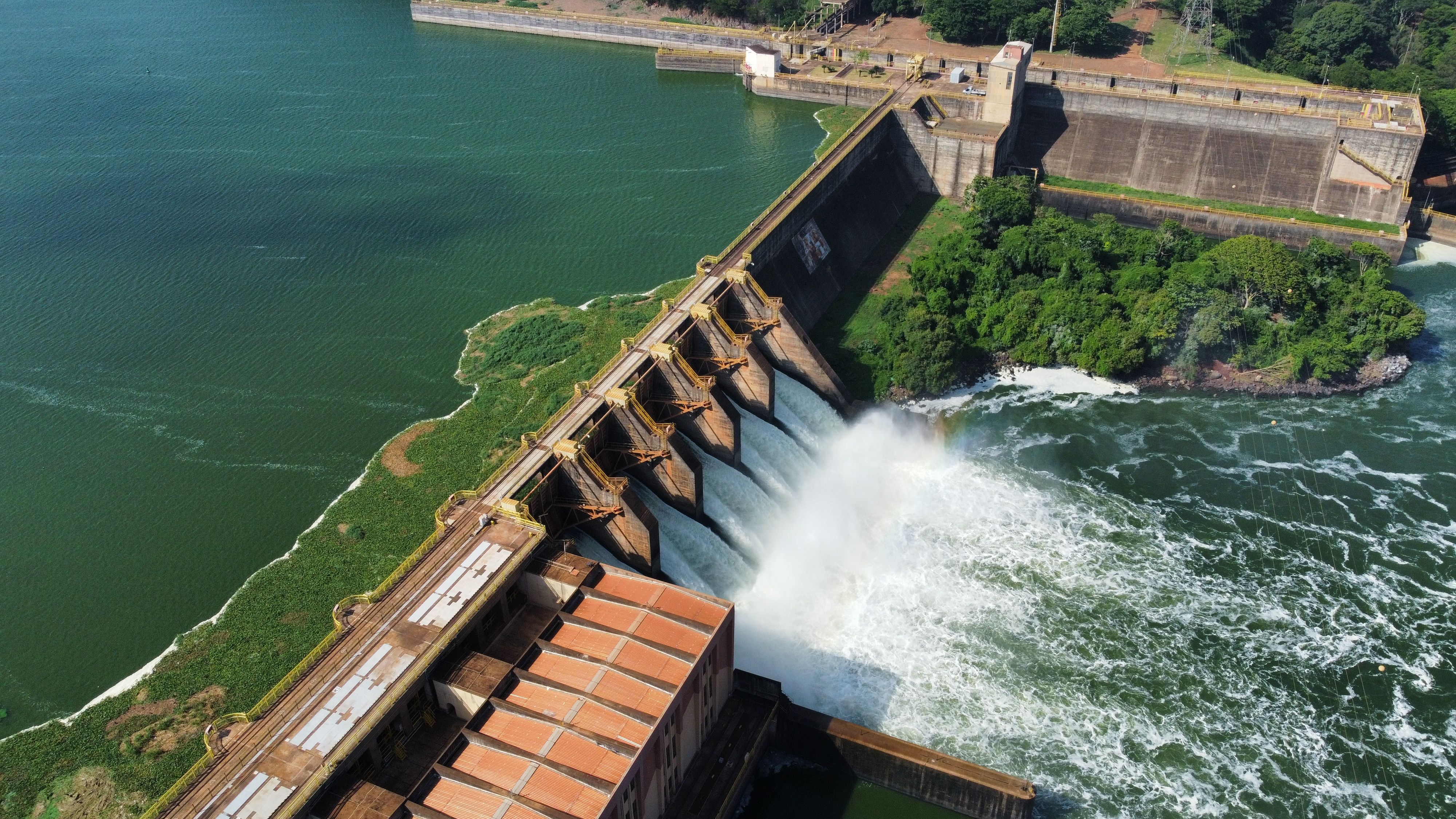
Hydropower has long been a reliable source of energy, particularly in areas with abundant water resources. In the Mid-Atlantic, rivers and streams provide opportunities for small-scale hydropower projects. These installations can generate electricity without the need for large dams, minimizing environmental impact.
Community-based hydropower projects can also foster local involvement and investment in renewable energy. By utilizing existing waterways, these projects offer a sustainable and efficient energy solution.
Biomass Energy
Biomass energy involves converting organic materials, such as agricultural waste and forestry residues, into usable energy. For the Mid-Atlantic, with its rich agricultural landscape, biomass presents a practical and sustainable energy option.
Biomass facilities can produce electricity, heat, and even biofuels, offering a versatile energy solution. By utilizing waste products, biomass energy helps reduce landfill use and greenhouse gas emissions.
Conclusion
Understanding the renewable energy options available in the Mid-Atlantic is essential for building a sustainable future. By exploring solar, wind, hydropower, and biomass energy, the region can reduce its carbon footprint and foster economic growth. Embracing these technologies will not only benefit the environment but also create a more resilient and energy-independent community.