Myth-Busting: Common Misconceptions About Renewable Energy in Baltimore
Ki
Understanding Renewable Energy in Baltimore
Baltimore is making strides in embracing renewable energy, yet misconceptions persist. These misunderstandings can hinder progress and create unnecessary resistance. Let's delve into some of the most common myths about renewable energy in Baltimore and debunk them with facts.
Myth 1: Renewable Energy is Too Expensive
One prevalent misconception is that renewable energy is prohibitively expensive. While initial setup costs for solar panels or wind turbines can be high, the long-term savings often outweigh these expenses. Over time, renewable energy solutions can significantly reduce utility bills and offer financial incentives, such as tax credits and rebates.
Furthermore, as technology advances, the cost of renewable energy continues to decrease. In Baltimore, local government initiatives and subsidies are making these technologies more accessible and affordable for residents.
Myth 2: Renewable Energy is Unreliable
Some people believe that renewable energy sources are unreliable due to their dependence on weather conditions. However, advances in energy storage and grid management have significantly improved reliability. By storing excess energy generated during peak production times, Baltimore can ensure a consistent energy supply even when the sun isn't shining or the wind isn't blowing.
Additionally, diversifying energy sources by integrating solar, wind, and other renewables strengthens the reliability of the overall energy system.
Myth 3: Renewable Energy Requires Too Much Space
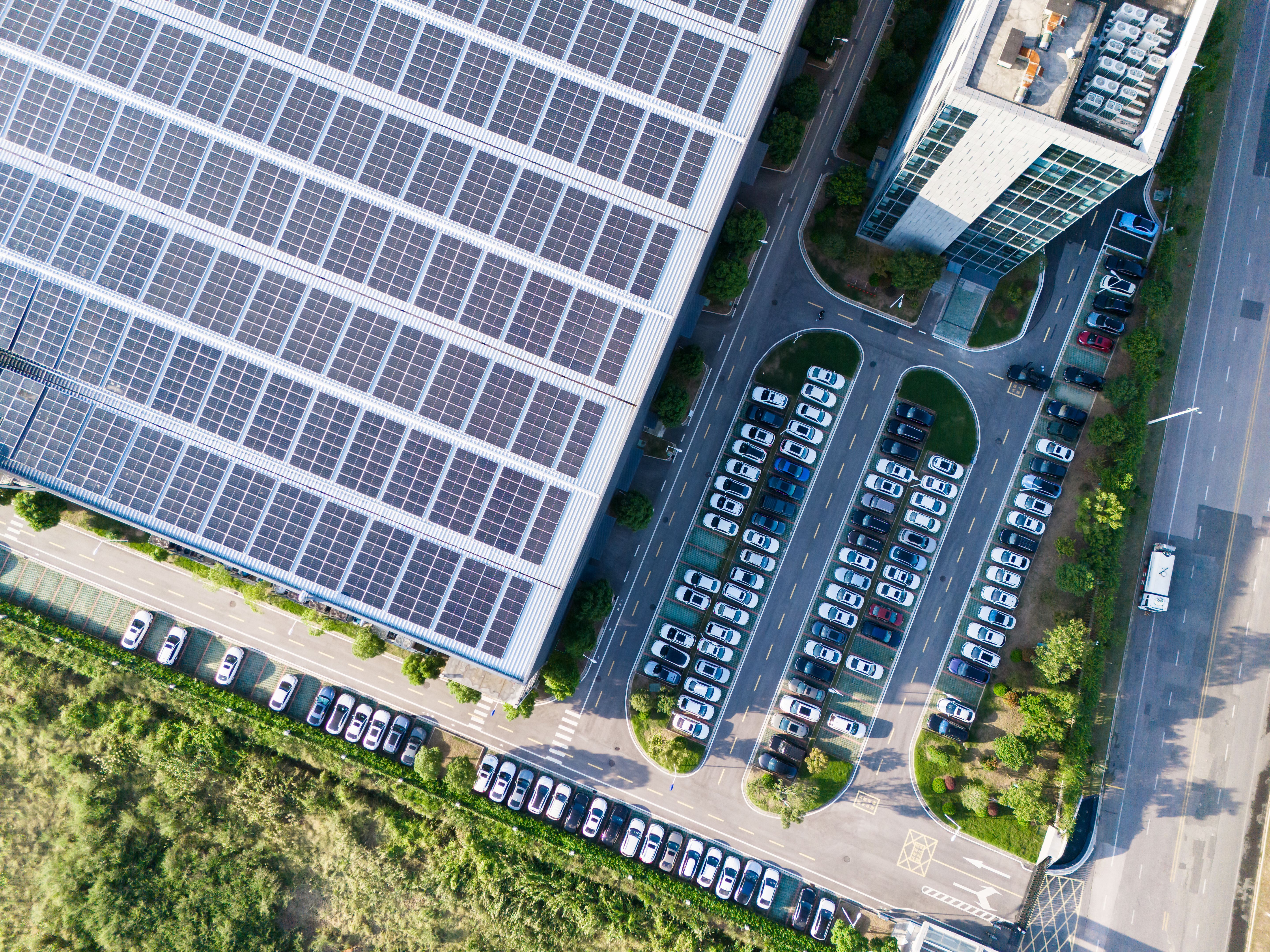
Another common myth is that renewable energy installations require large amounts of land. While this can be true for large wind farms, urban areas like Baltimore can effectively utilize rooftop solar panels and small-scale installations. Community solar projects also allow multiple households to benefit from a single solar array, maximizing space and efficiency.
Baltimore is also exploring innovative solutions like floating solar arrays that can be placed on bodies of water, minimizing land use.
Myth 4: Transitioning to Renewable Energy Costs Jobs
Concerns about job loss are often cited as a reason to resist the transition to renewable energy. However, the renewable energy sector is one of the fastest-growing industries, creating a wealth of job opportunities in installation, maintenance, and technology development.
In Baltimore, the shift towards renewable energy is expected to generate numerous jobs across various sectors, from construction to engineering, providing a boost to the local economy.
Conclusion: Embracing the Future
It's essential to dispel these myths to fully embrace the potential of renewable energy in Baltimore. By understanding the facts, residents and policymakers can support a cleaner, more sustainable future. With continued investment and education, Baltimore can lead the way in renewable energy adoption, benefiting both the environment and the economy.