Myth-Busting: Common Misconceptions About Disaster Preparedness Equipment
Ki
Understanding Disaster Preparedness Equipment
Disaster preparedness is a crucial aspect of ensuring safety during emergencies. However, there are many misconceptions about the equipment needed to be truly prepared. Addressing these myths can help you make informed decisions and enhance your readiness for any situation.
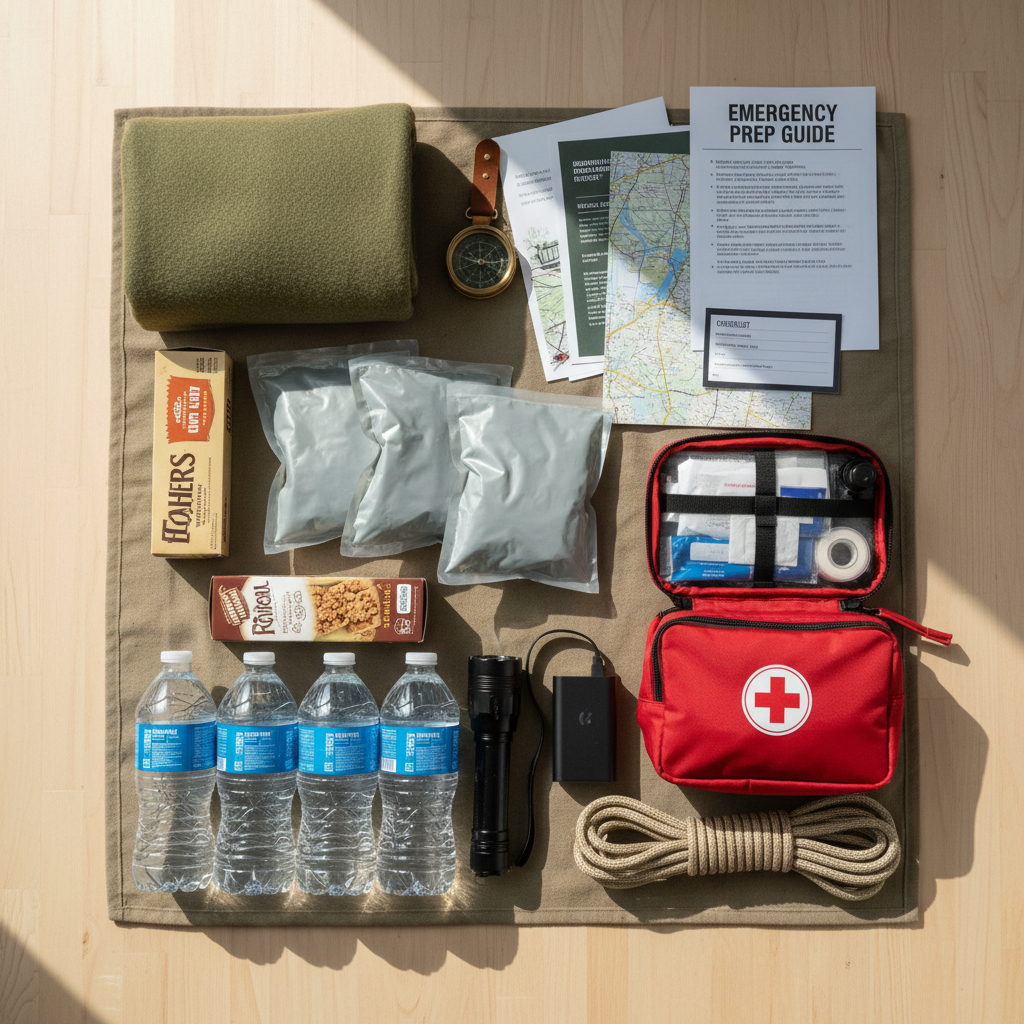
One common misconception is that disaster preparedness equipment is too expensive and inaccessible. While some high-end gear can be costly, many essential items are affordable and readily available. Simple tools like flashlights, batteries, and first-aid kits can be purchased at reasonable prices.
Myth: You Need Advanced Survival Skills
Another myth is that you need advanced survival skills to use preparedness equipment effectively. The truth is, most basic emergency tools are designed for ease of use. Instructions are generally included with items like emergency radios and portable water filters, making them accessible to everyone.
It's beneficial to familiarize yourself with these tools before an emergency. Taking the time to understand how they work can make a significant difference when it matters most.
The Role of Technology in Preparedness
Some people believe that technology has no place in disaster preparedness. This is far from the truth. Modern technology plays a vital role in keeping us informed and connected during emergencies. Smartphones, for example, can be used to access real-time updates and communicate with loved ones.
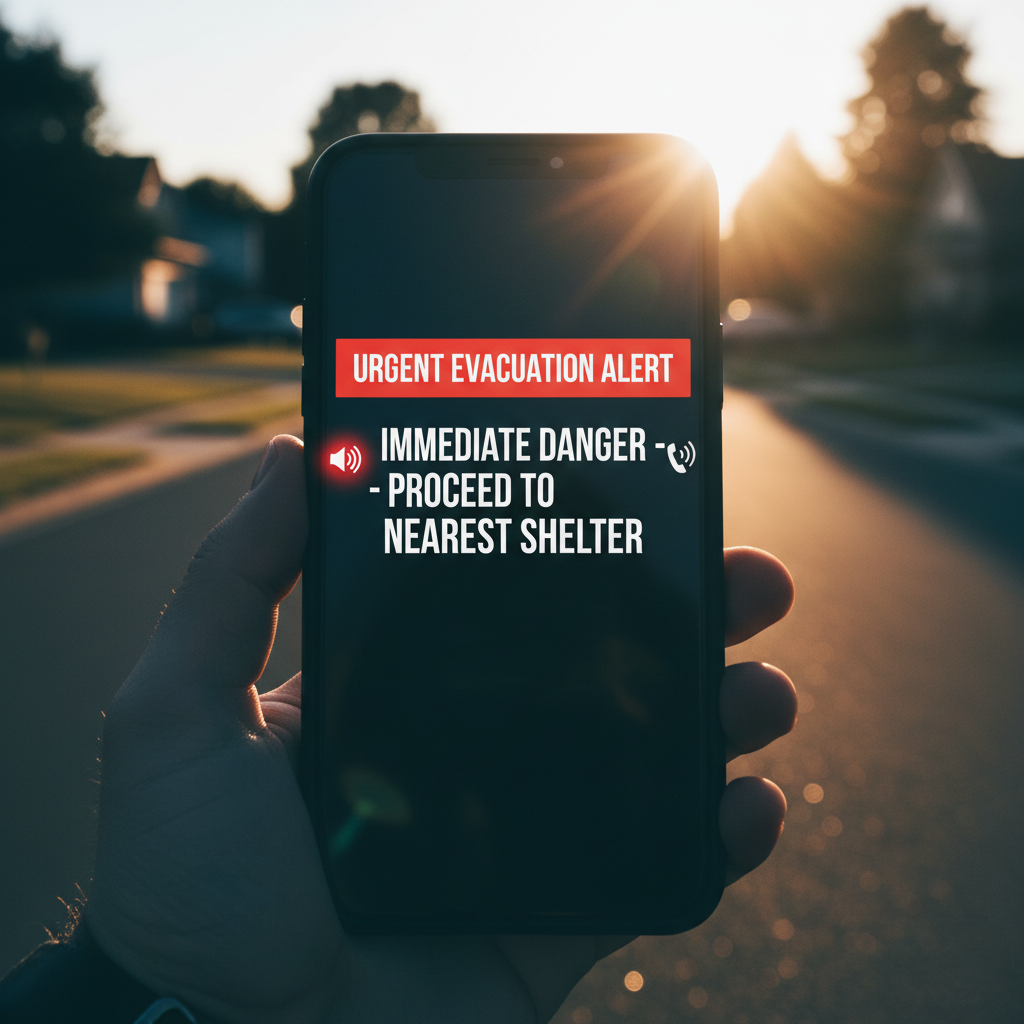
Moreover, there are numerous apps designed to assist with disaster preparedness, offering features like emergency alerts, weather updates, and survival tips.
Myth: Only Rural Areas Need Preparedness
A prevalent belief is that only those living in rural or isolated areas need to worry about disaster preparedness. In reality, urban areas are also vulnerable to emergencies such as power outages, floods, and earthquakes.
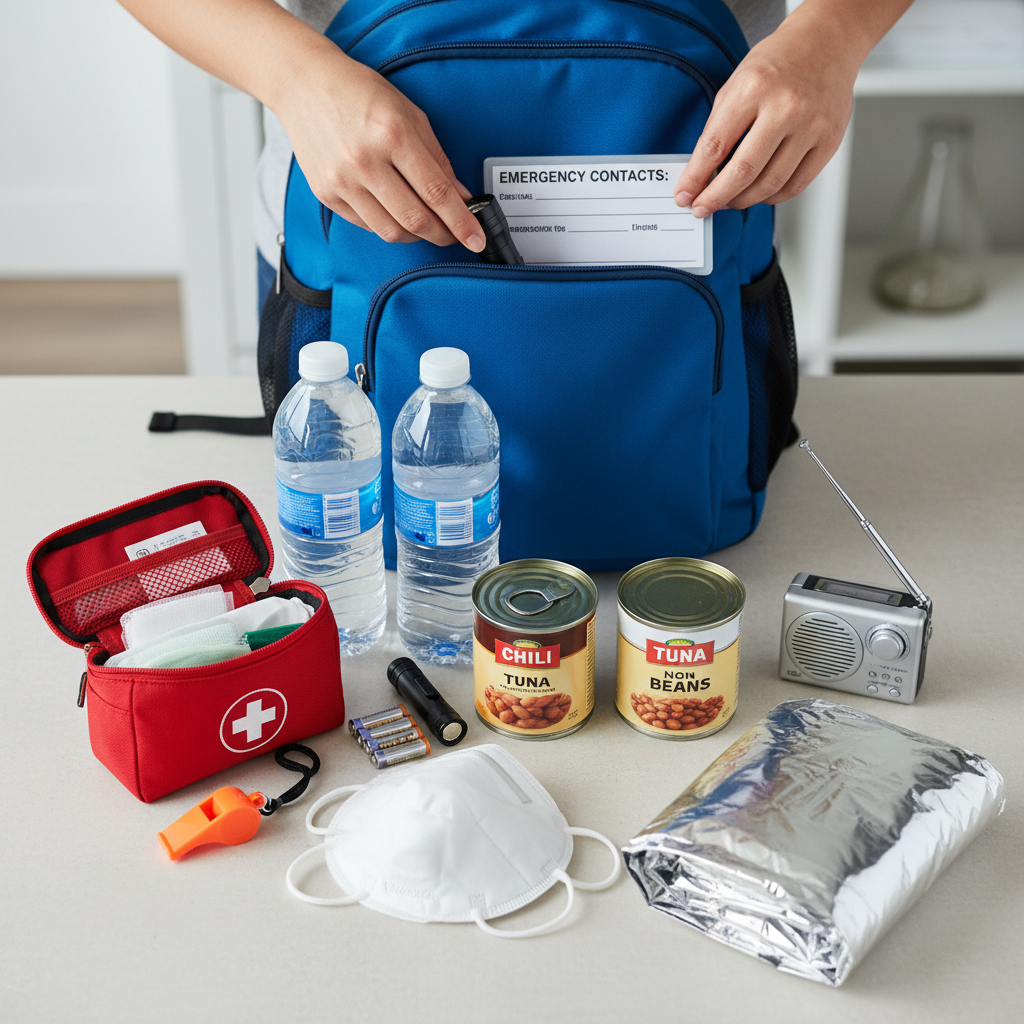
City dwellers should equip themselves with essential items like non-perishable food, water, and a basic first-aid kit. Being prepared is crucial, regardless of your location.
Community Preparedness Is Key
Finally, many people underestimate the power of community when it comes to disaster preparedness. While individual preparedness is important, community efforts can enhance safety and resilience.
Engage with local preparedness groups and participate in community drills. Sharing resources and knowledge can lead to a more robust collective response during times of crisis.
By debunking these myths and understanding the true nature of disaster preparedness equipment, you can take proactive steps to protect yourself and your loved ones. Remember, being prepared is a shared responsibility, and the right tools and knowledge can make all the difference.