How to Prepare Your Home for Natural Disasters: Essential Supplies and Tips
Ki
Understanding the Risks
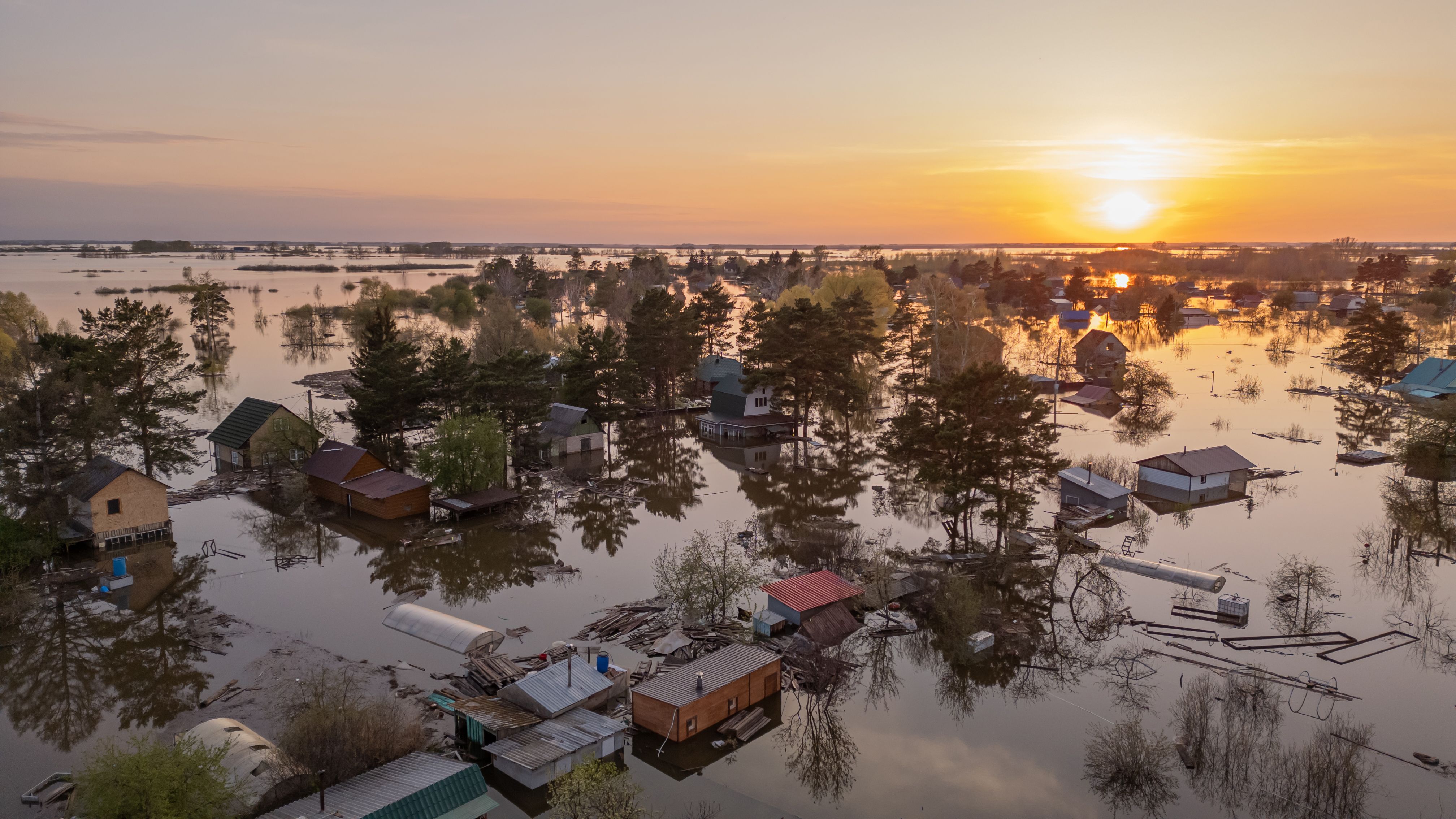
Natural disasters can strike with little warning, and being prepared can make all the difference in ensuring your safety and minimizing damage to your home. It's crucial to understand the specific risks that are prevalent in your area, whether it's hurricanes, earthquakes, floods, or wildfires.
Begin by researching historical data and local recommendations. Local government websites often provide valuable insights into potential threats and how to prepare for them. Understanding these risks will help you tailor your preparation efforts effectively.
Essential Supplies
Emergency Kit Basics
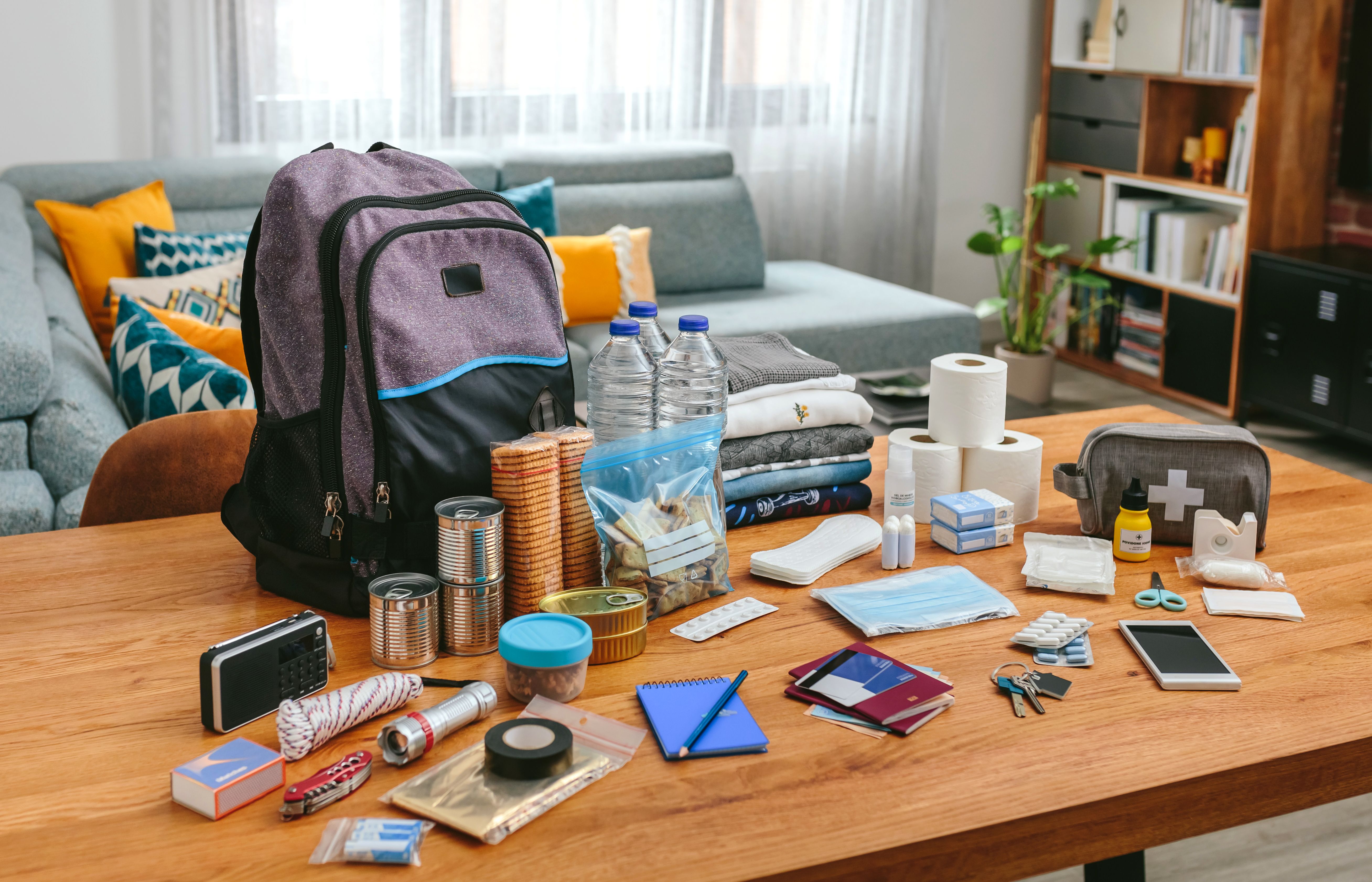
Having a well-stocked emergency kit is a fundamental step in disaster preparedness. Your kit should include:
- Water: At least one gallon per person per day for three days.
- Non-perishable food: A three-day supply for each person.
- First-aid supplies: Include bandages, antiseptics, and any necessary medications.
- Flashlights and batteries: Ensure you have extra batteries.
- Multi-tool: Useful for a variety of tasks.
Additional Supplies
Consider additional supplies tailored to your needs, such as:
- Blankets and warm clothing: Essential if you live in a colder climate.
- Fire extinguisher: Crucial for fire-prone areas.
- Portable phone charger: Keep your devices powered in case of power outages.
- Important documents: Store copies of identification, insurance policies, and bank account information in a waterproof container.
Preparing Your Home
Structural Safety
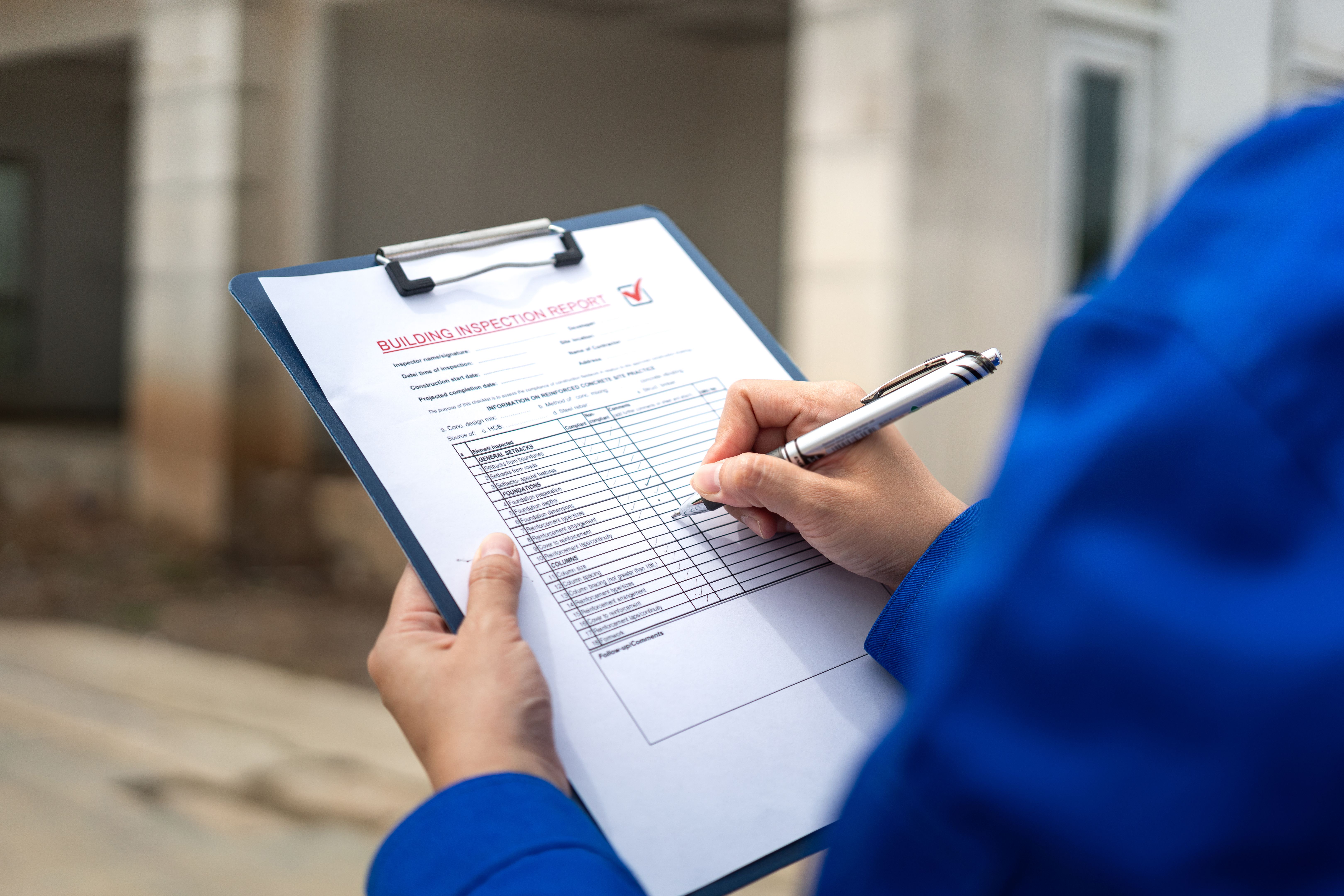
Assessing and reinforcing the structural integrity of your home can prevent or reduce damage. Consider the following actions:
- Roof inspection: Ensure your roof is secure and free of leaks.
- Windows and doors: Install storm shutters or reinforce with plywood.
- Foundation: Check for cracks and have them repaired.
Landscaping and Outdoor Preparation
Secure outdoor items, as these can become hazards in high winds. Trim trees and bushes to prevent branches from damaging your home. Consider using fire-resistant plants if you live in a wildfire-prone area.
Creating a Family Plan
Develop a comprehensive family emergency plan that includes evacuation routes, communication methods, and meeting points. Make sure everyone in your household understands the plan and practices it regularly. This plan should also include arrangements for pets, ensuring they have their own emergency supplies.
Regularly review and update your plan, especially if your family situation or location changes. Being prepared can provide peace of mind and ensure everyone's safety in the face of a natural disaster.