Expert Insights: The Future of Renewable Energy in Urban Areas
Ki
The Rise of Renewable Energy in Urban Landscapes
As cities continue to expand, the demand for sustainable energy sources becomes more critical. Urban areas are uniquely positioned to lead the charge in adopting renewable energy solutions. This shift not only addresses environmental concerns but also supports economic growth and energy independence.

Innovative Technologies Shaping the Future
Renewable energy technologies are evolving rapidly, offering new opportunities for urban integration. Solar panels, wind turbines, and geothermal systems are becoming more efficient and accessible. In particular, solar technologies are seeing a surge in urban applications, thanks to advancements in photovoltaic materials and design.
One promising development is the use of building-integrated photovoltaics (BIPV). These systems seamlessly integrate solar cells into the architecture of buildings, transforming facades, windows, and roofs into energy-generating structures.
Challenges and Opportunities
Despite the potential, integrating renewable energy in urban areas comes with challenges. Space constraints, regulatory hurdles, and initial costs can impede progress. However, cities are finding innovative ways to overcome these barriers.
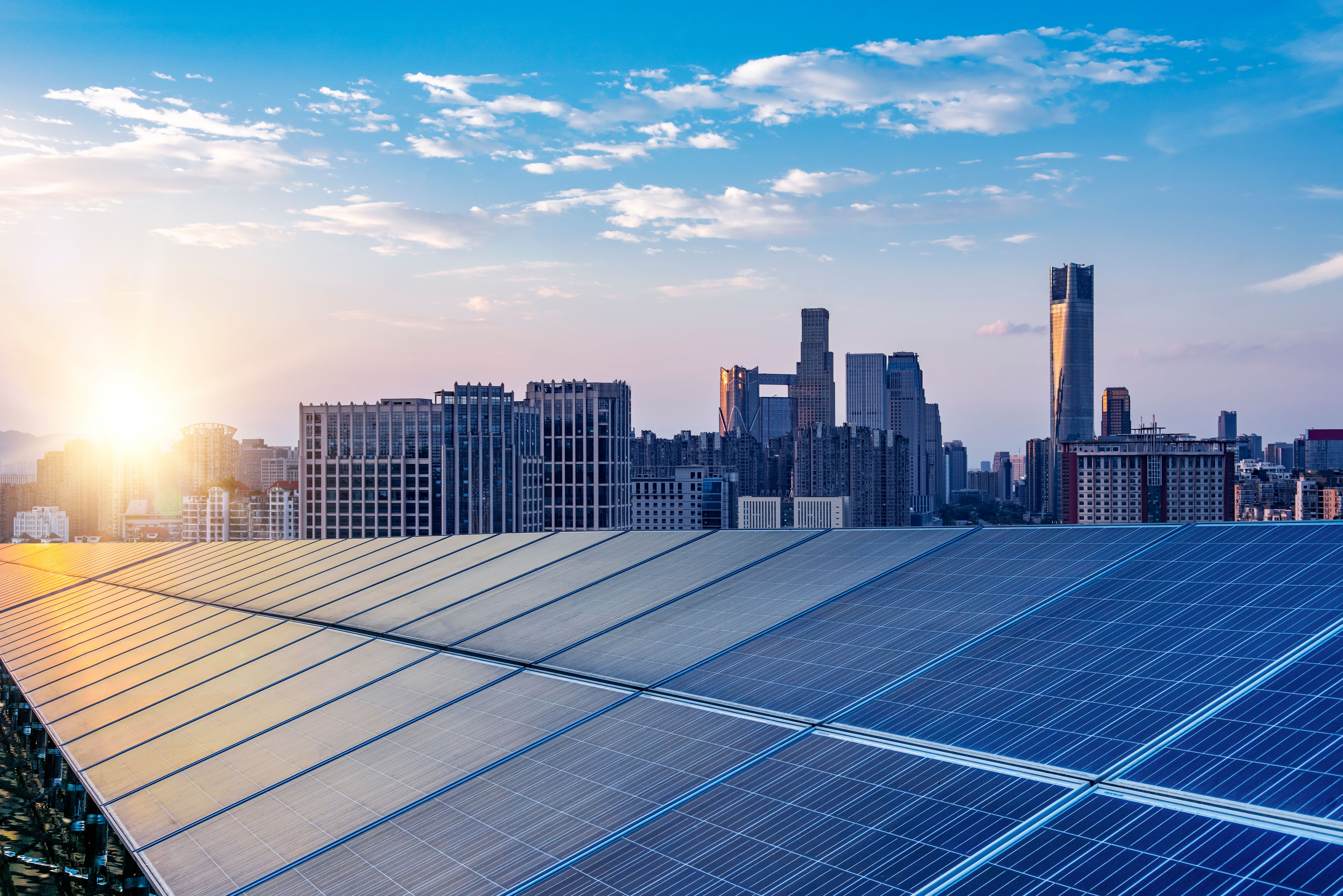
Collaborative initiatives between city planners, businesses, and communities are crucial. By working together, stakeholders can create policies that encourage renewable energy adoption and provide incentives for investment.
The Role of Smart Grids
Smart grids play a pivotal role in the future of urban renewable energy. These systems enable efficient energy distribution, balancing supply and demand dynamically. By incorporating real-time data, smart grids optimize energy use and reduce waste, making renewable sources more viable.
Moreover, smart grids support the integration of diverse energy sources, including solar, wind, and hydropower. This adaptability is essential for urban areas where energy needs fluctuate significantly.

Community Involvement and Education
Public engagement and education are vital in driving the adoption of renewable energy in cities. When communities are informed and involved, they are more likely to support and invest in sustainable initiatives.
Educational programs and workshops can raise awareness about the benefits of renewable energy and demonstrate practical applications. By fostering a culture of sustainability, cities can inspire future generations to prioritize renewable solutions.
Looking Ahead: A Sustainable Urban Future
The future of renewable energy in urban areas is bright. With continued innovation, collaboration, and public support, cities can transform into sustainable powerhouses. This shift will not only reduce environmental impacts but also enhance quality of life for urban residents.
Embracing renewable energy is not just an environmental imperative but a pathway to a more resilient and prosperous urban future.