Essential Disaster Relief Supplies for the Maryland Area
Ki
Understanding the Importance of Disaster Relief Supplies
When disaster strikes, being prepared with the right supplies can make all the difference. In Maryland, where weather-related emergencies such as hurricanes, flooding, and snowstorms are not uncommon, having a well-stocked disaster relief kit is essential. This guide will help you understand what supplies are necessary to ensure safety and survival during an emergency.
Basic Survival Needs
The first step in disaster preparedness is meeting basic survival needs. Ensure you have a supply of water, food, and shelter. Store at least one gallon of water per person per day for at least three days. Include non-perishable food items such as canned goods, energy bars, and dried fruits. Don't forget a manual can opener.
For shelter, consider portable options like tents or tarps that can provide temporary protection. Always keep a supply of blankets and warm clothing, especially during winter months. In Maryland, where cold weather can hit unexpectedly, staying warm is crucial.
First Aid and Medical Supplies
A comprehensive first aid kit is vital. It should include bandages, antiseptics, pain relievers, and any prescription medications needed by your family members. Don't forget personal hygiene products like soap, toothpaste, and sanitary supplies.
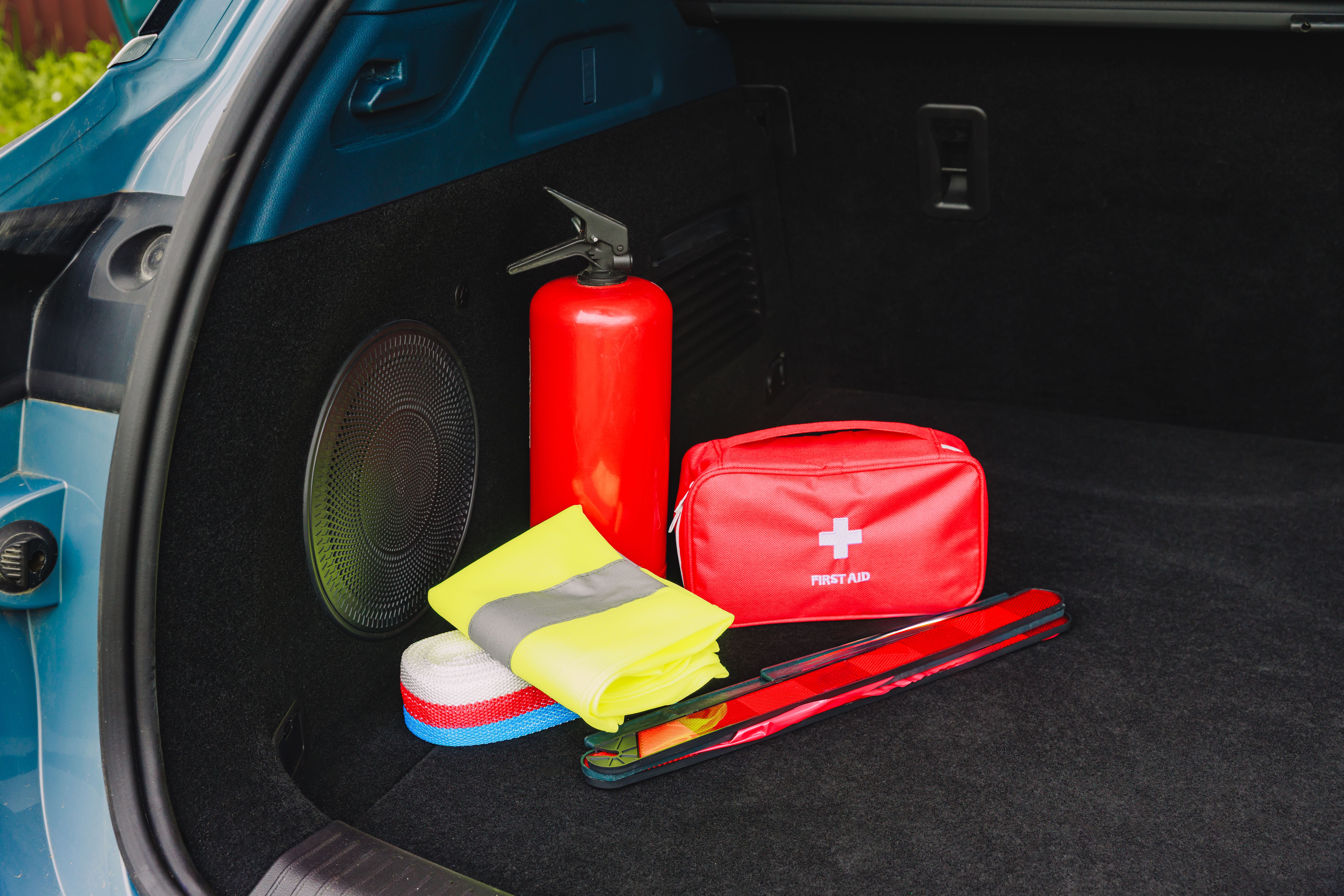
Consider additional medical supplies if you have special needs. For example, if someone in your family uses medical equipment, ensure you have spare parts and batteries. Keeping a list of emergency contacts and medical information can also be lifesaving.
Communication and Lighting
Staying informed during an emergency is critical. Equip your disaster kit with a battery-powered or hand-crank radio to receive emergency updates. Also, keep a supply of batteries for all electronic devices.
For lighting, include flashlights with extra batteries and glow sticks. Avoid using candles, as they can pose a fire hazard. Having a backup power bank for your phone is also a smart move, ensuring that you can keep in touch with loved ones and emergency services.
Tools and Safety Items
In the aftermath of a disaster, you may need tools to secure your home or assist with minor repairs. Keep a multi-tool or basic toolkit in your kit. Duct tape, plastic sheeting, and sturdy work gloves can also be invaluable during cleanup efforts.
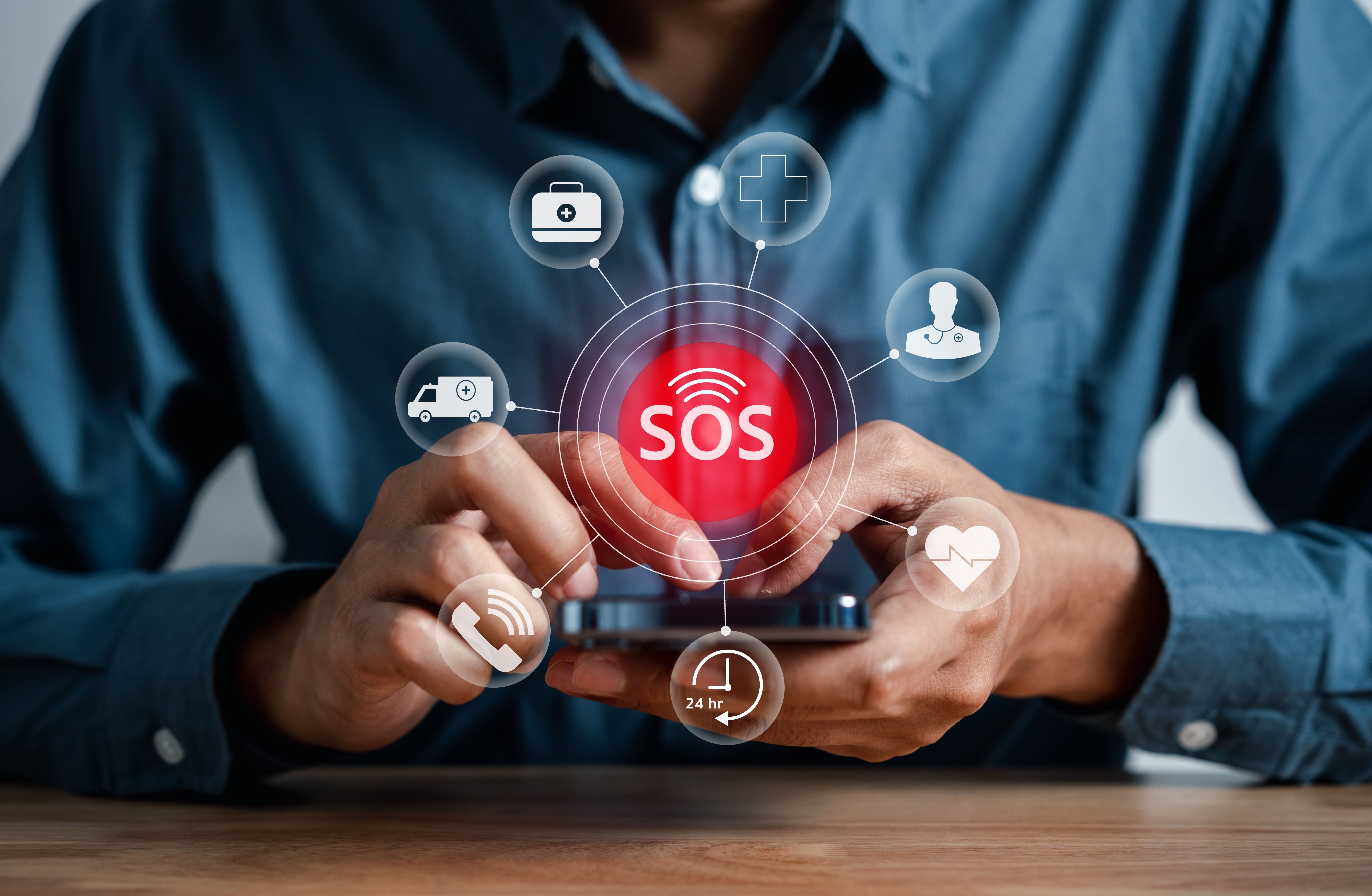
Safety items such as N95 masks can help protect against dust and debris, while fire extinguishers should be readily accessible. In flood-prone areas, having sandbags and waterproof materials can help protect your property.
Preparing for Pets and Special Needs
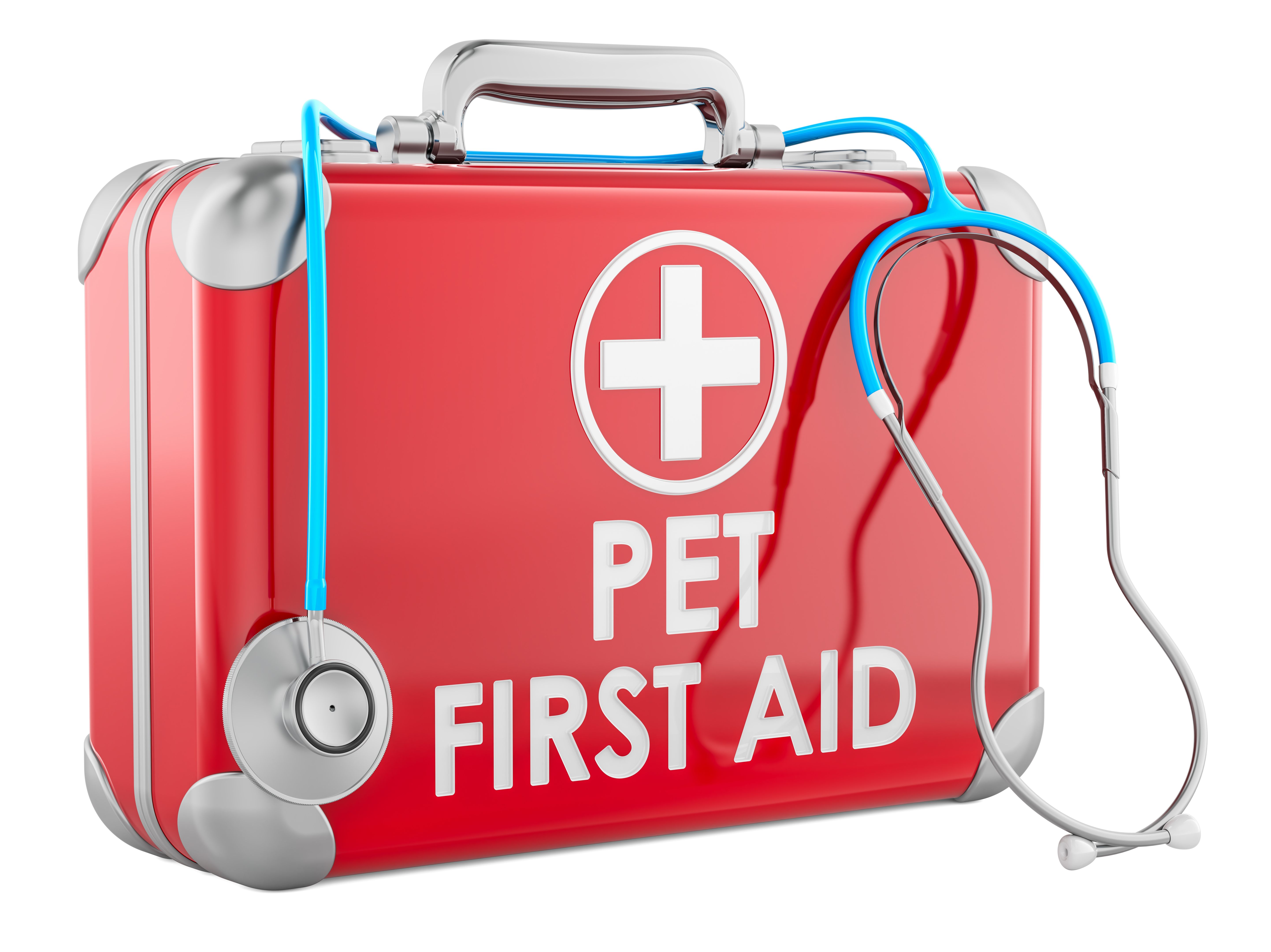
Don’t forget about the needs of pets and family members with specific requirements. Ensure you have a supply of pet food, water, and any medications for your pets. Consider comfort items like toys or blankets to keep them calm during stressful times.
For individuals with special needs, custom-tailor their kits with necessary supplies, including mobility aids or communication devices. Planning ahead ensures everyone in your household is cared for.
Final Thoughts on Disaster Preparedness
In Maryland, being prepared for disasters is a responsibility that should not be overlooked. Regularly check and update your disaster relief supplies, ensuring nothing is expired or missing. Engage with local community resources and stay informed about potential risks in your area.
By taking these steps, you can ensure that you and your family are ready to handle emergencies, providing peace of mind and security when it matters most.