Emerging Disaster Readiness Equipment for Urban Areas: A Comprehensive Guide
Ki
Introduction to Urban Disaster Readiness
Urban areas are increasingly vulnerable to natural and man-made disasters. With growing populations and complex infrastructures, the need for effective disaster readiness equipment is more critical than ever. This guide explores emerging technologies and solutions that can significantly enhance preparedness in urban environments.

Advanced Communication Systems
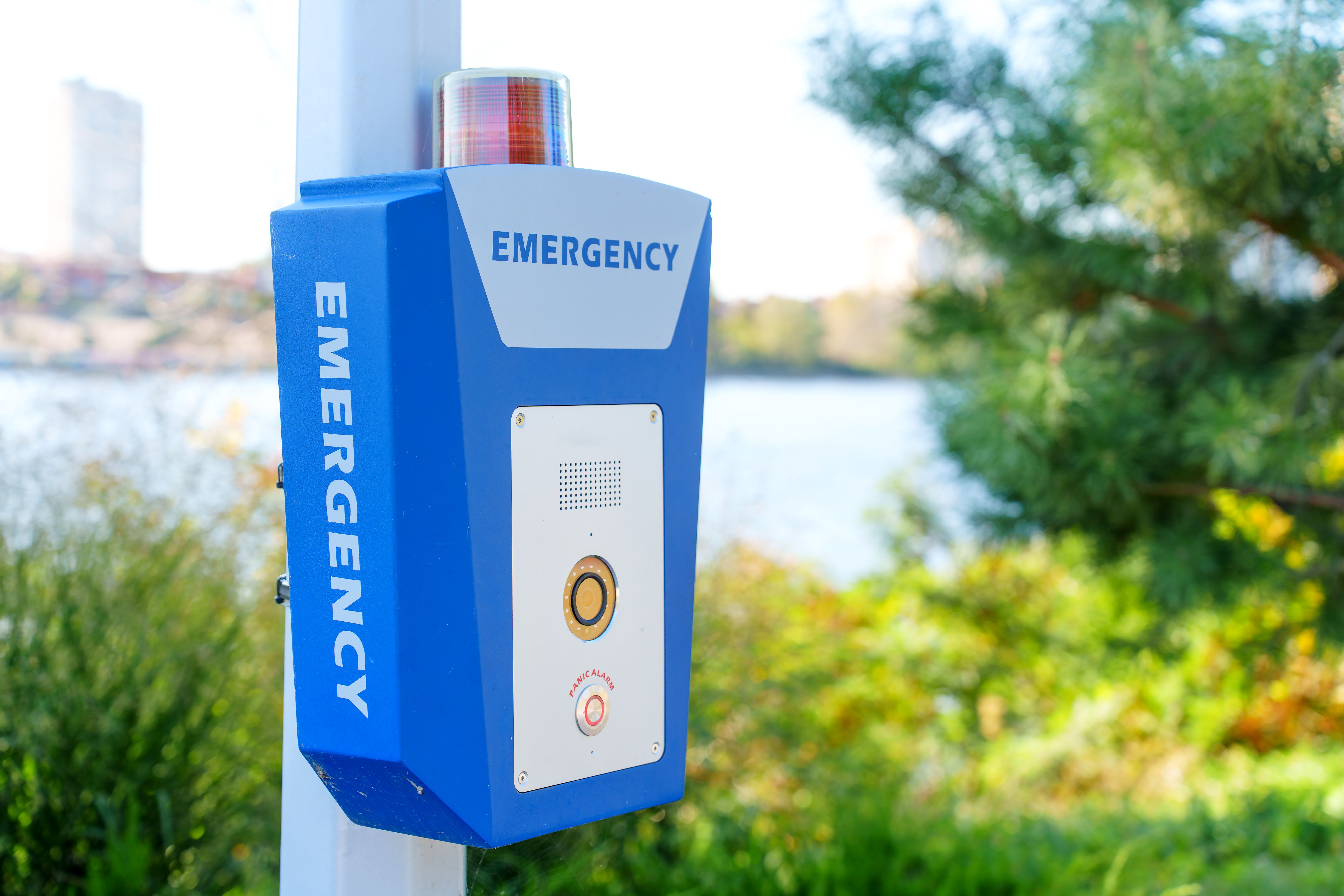
During a disaster, communication is crucial. Advanced systems such as satellite phones and mesh networks ensure connectivity even when traditional networks fail. These tools provide reliable communication channels, allowing for efficient coordination of rescue operations and dissemination of information.
Additionally, emergency apps that function offline can guide residents to safe zones, provide real-time updates, and allow for quick reporting of emergencies. These apps are becoming indispensable in urban disaster readiness plans.
Portable Power Solutions
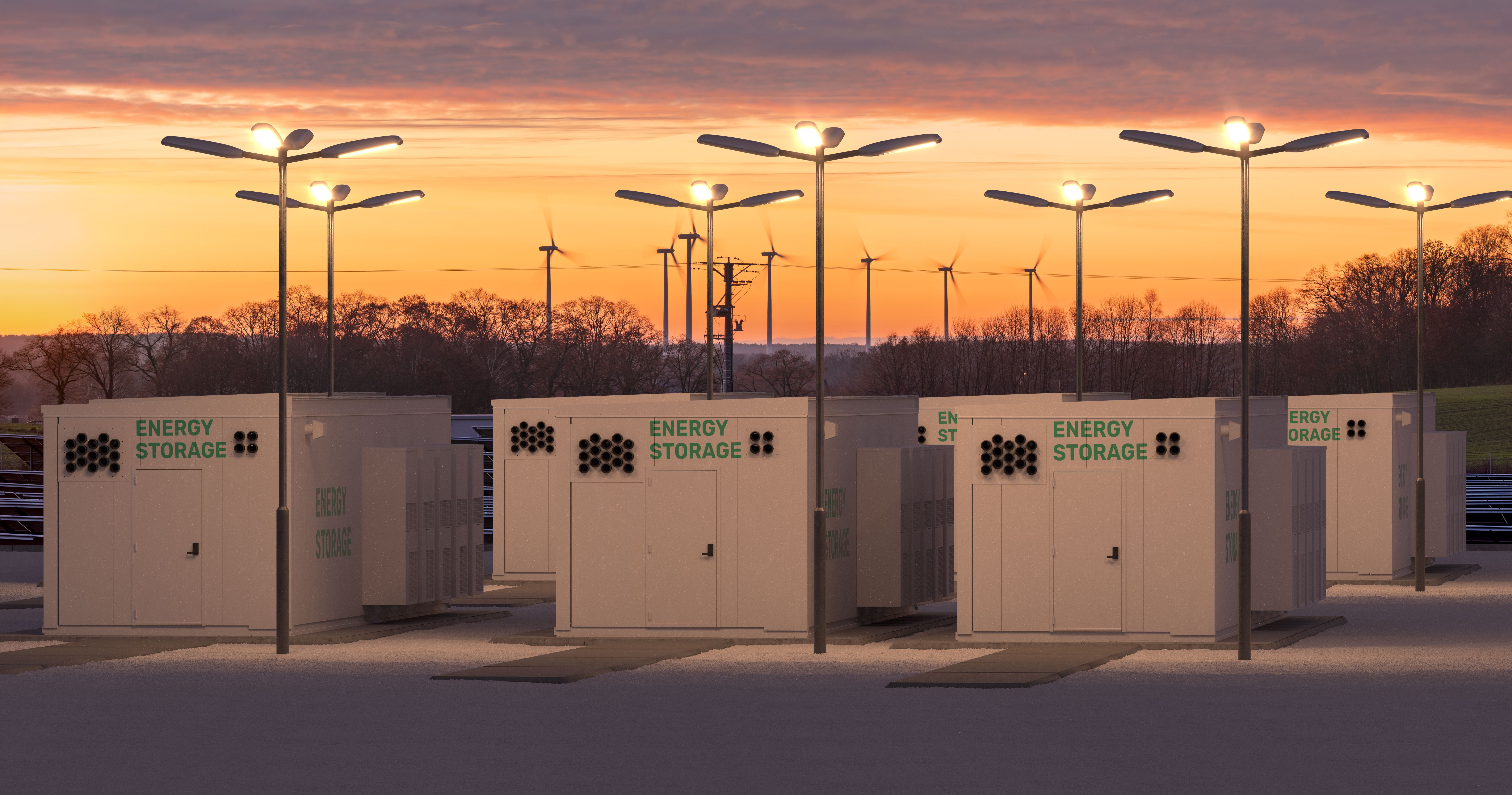
Power outages are common during disasters, making portable power solutions essential. Innovations like solar-powered generators and portable battery packs are now available, providing sustainable energy sources during emergencies. These solutions are crucial for powering communication devices and medical equipment.
Moreover, advancements in battery technology have led to the development of more efficient and longer-lasting power sources, ensuring that critical devices remain operational during extended power outages.
Resilient Infrastructure Developments
Building resilience into urban infrastructure is a proactive approach to disaster readiness. Reinforced buildings, flood barriers, and earthquake-resistant structures are examples of how cities can minimize damage and enhance safety. These innovations not only protect lives but also reduce economic losses.
The integration of smart sensors in infrastructure can also provide early warnings and real-time data on structural integrity, allowing for timely evacuations and repairs.
Personal Safety Equipment
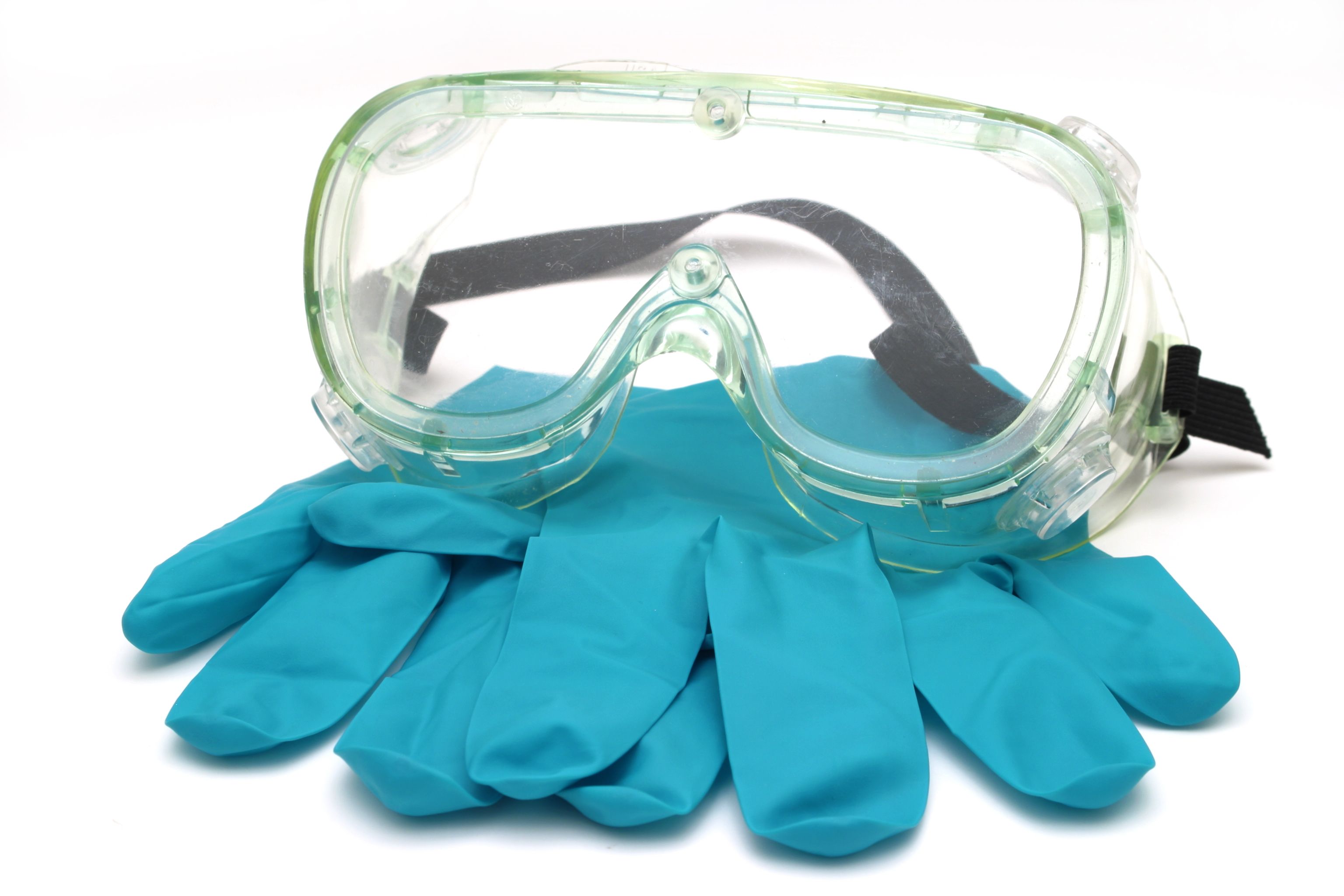
Individuals play a role in disaster readiness, and having the right personal safety equipment can be lifesaving. Items like multi-purpose tools, portable water filters, and compact first-aid kits are essential for survival in urban settings. These tools are designed to be lightweight and easy to carry, making them ideal for emergency situations.
Community Engagement and Training
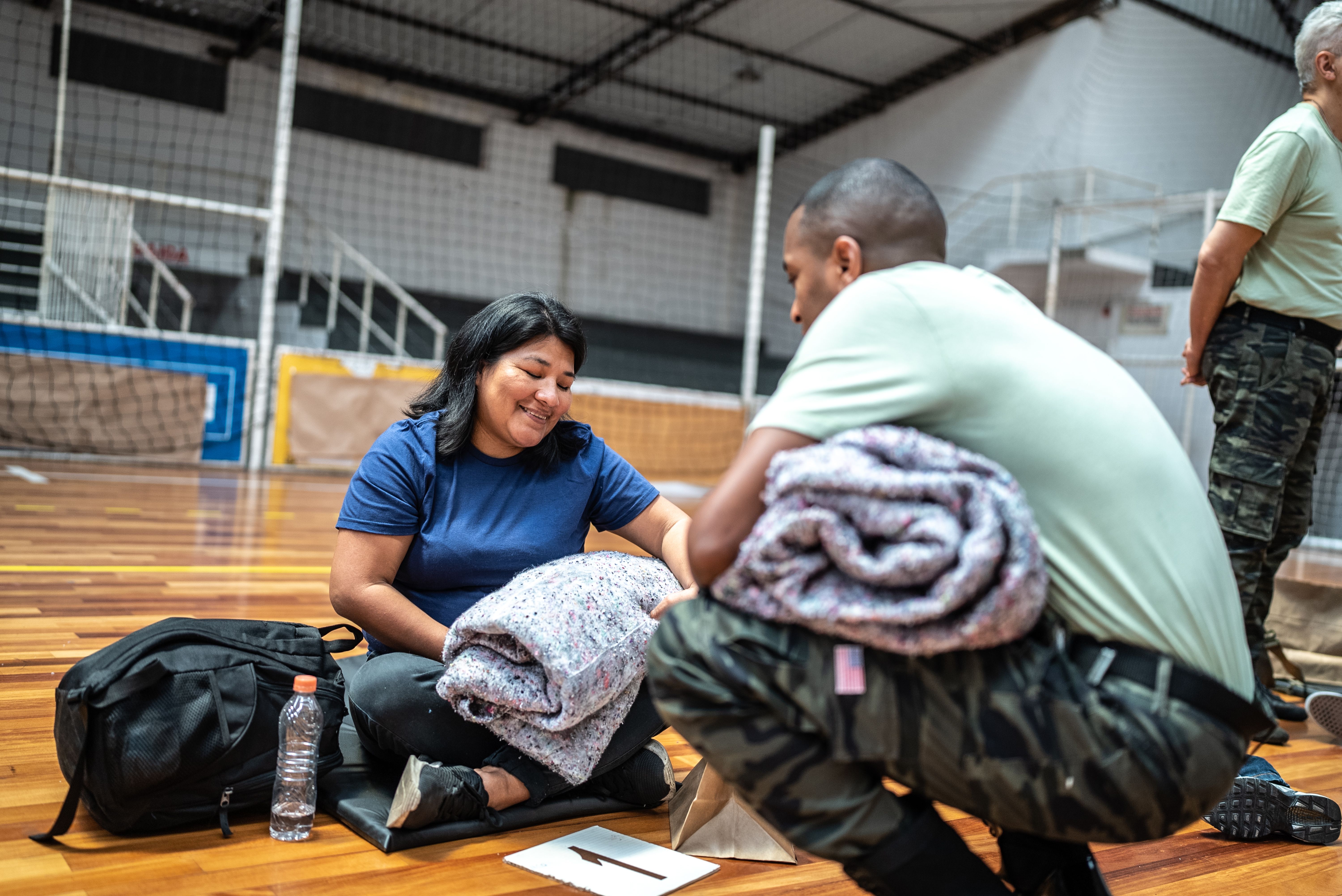
Technology alone is not enough; community engagement and training are vital components of disaster readiness. Programs that educate residents on emergency procedures and the use of disaster equipment can greatly enhance a community's resilience. Simulations and drills ensure that both individuals and authorities are prepared for different scenarios.
Strong community networks also facilitate resource sharing and support during emergencies, highlighting the importance of fostering a collaborative approach to disaster readiness.
Conclusion
The emergence of innovative disaster readiness equipment is transforming how urban areas prepare for emergencies. By adopting advanced technologies and fostering community resilience, cities can effectively mitigate the impact of disasters. As these innovations continue to evolve, urban areas will become safer and more prepared for whatever challenges lie ahead.