DIY Tips: Installing Solar Panels in Baltimore
Ki
Why Consider Solar Panels in Baltimore?
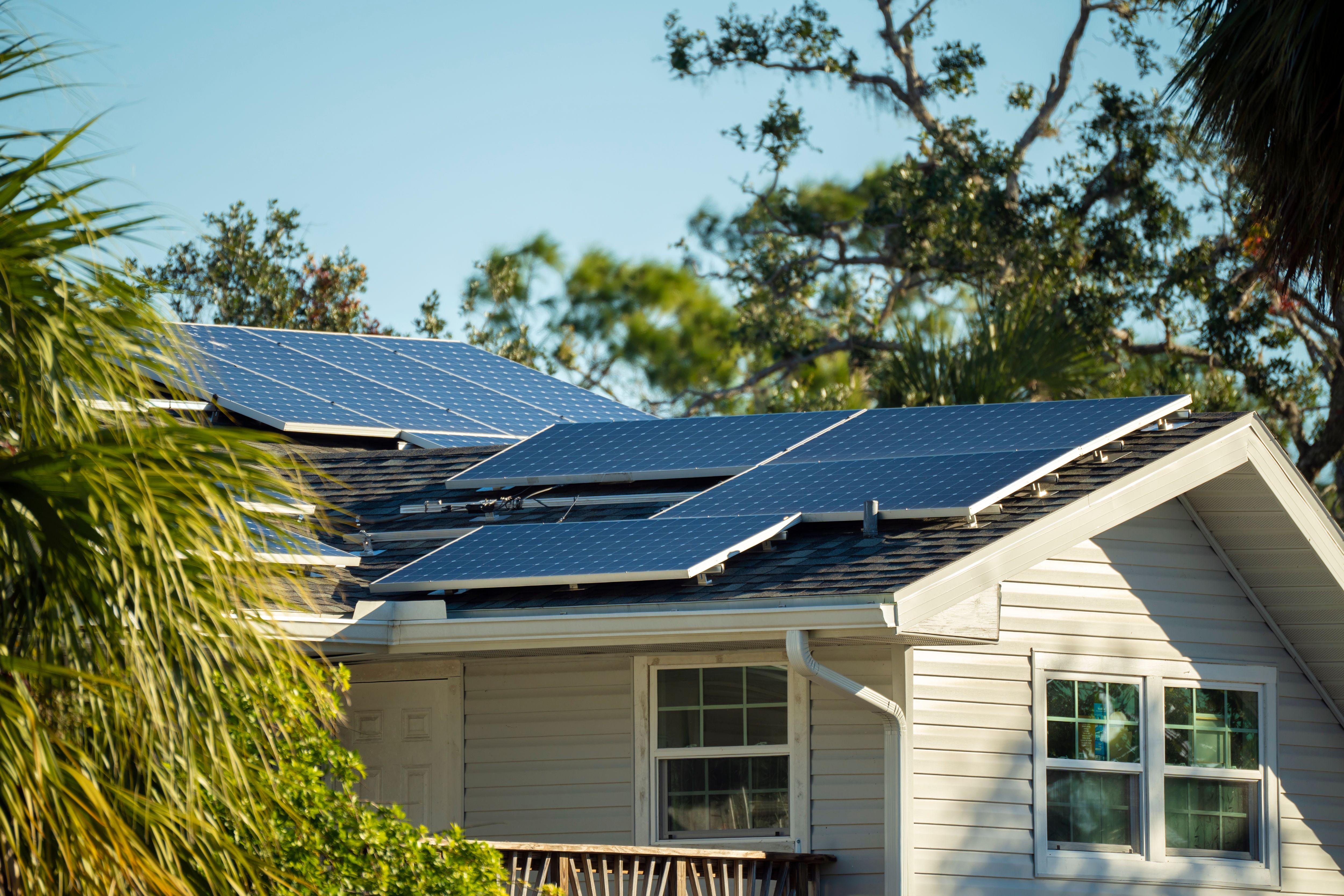
Installing solar panels in Baltimore is a smart investment. With the city's average of 213 sunny days per year, you can significantly reduce your electricity bills. Furthermore, Maryland offers attractive tax incentives and rebates for solar panel installations, making it even more appealing for homeowners looking to save on energy costs.
Before starting your DIY solar panel installation, it's crucial to understand the local regulations and requirements. Baltimore has specific zoning laws and permits that must be adhered to, ensuring your installation is safe and compliant.
Essential Tools and Materials
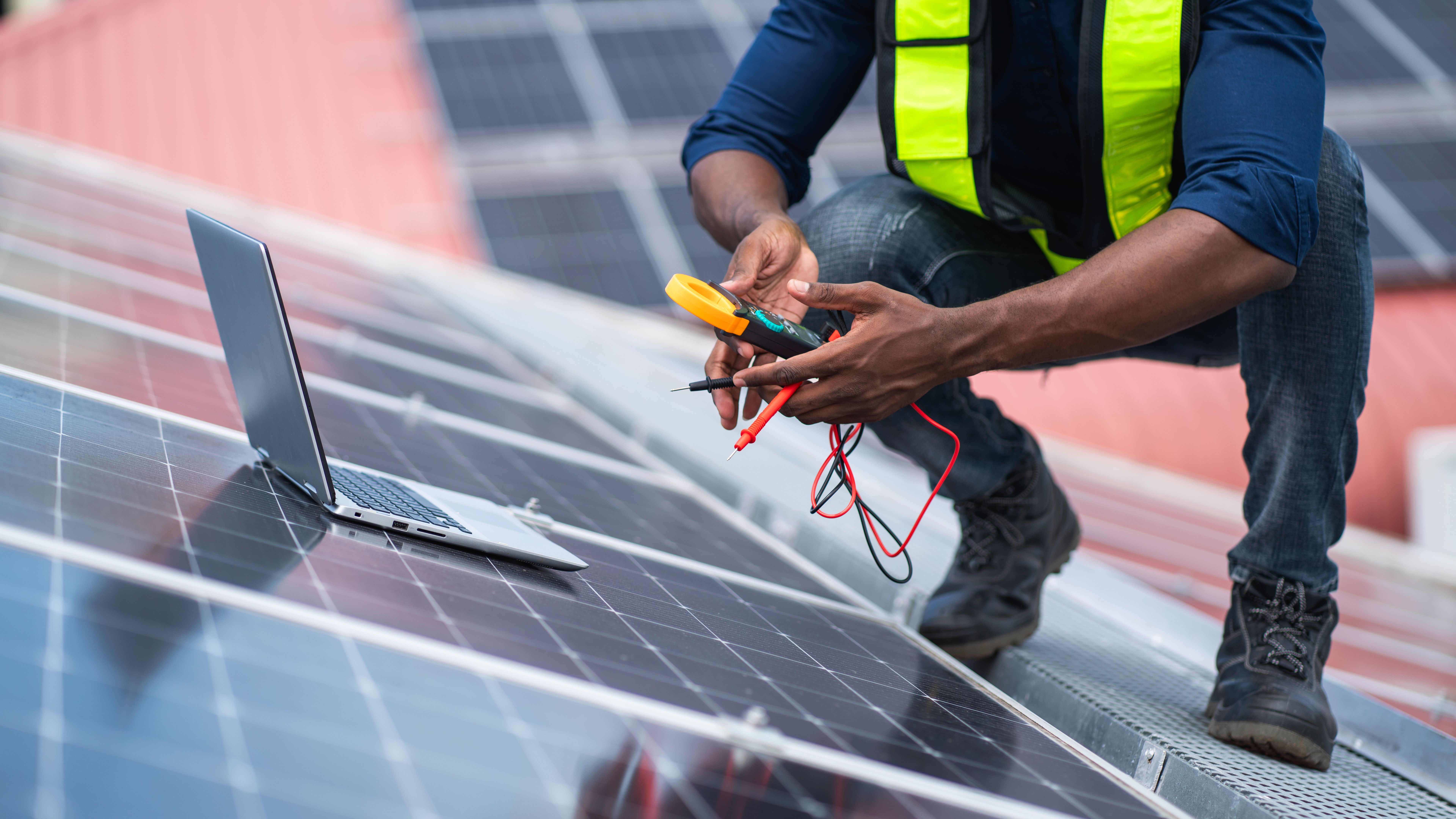
Before diving into the installation process, gather all necessary tools and materials. You'll need solar panels, mounting brackets, an inverter, wiring, and a battery storage system. Additionally, having a drill, wrenches, and safety gear like gloves and goggles will help ensure a smooth installation process.
It's also wise to purchase a solar panel kit, which includes most of the components you'll need. This can simplify the process and ensure compatibility between parts.
Assessing Your Roof
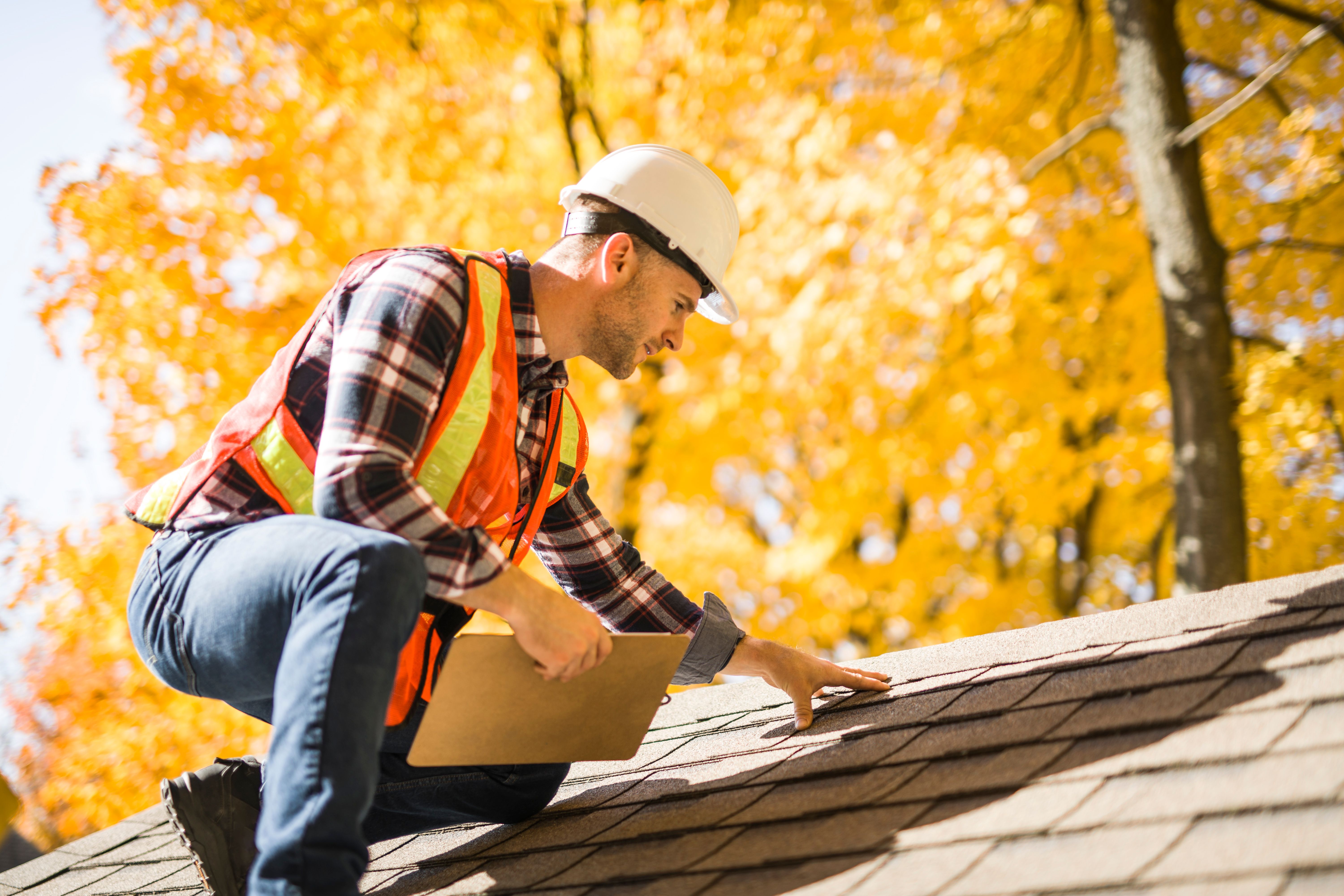
Begin by evaluating your roof's condition and orientation. Your roof should be in good shape, as solar panels tend to last 25-30 years. A south-facing roof with minimal shading is ideal for maximizing energy production. If your roof doesn't meet these conditions, consider ground-mounted solar panels as an alternative.
Installing the Mounting System
Once your roof is ready, install the mounting system. This involves attaching brackets to the roof, ensuring they are secure and properly aligned. Follow the manufacturer's instructions closely, as improper installation can lead to damage or reduced efficiency.
It's crucial to leave enough space between the roof and the panels for air circulation, which helps keep the panels cool and efficient.
Wiring and Connecting the System
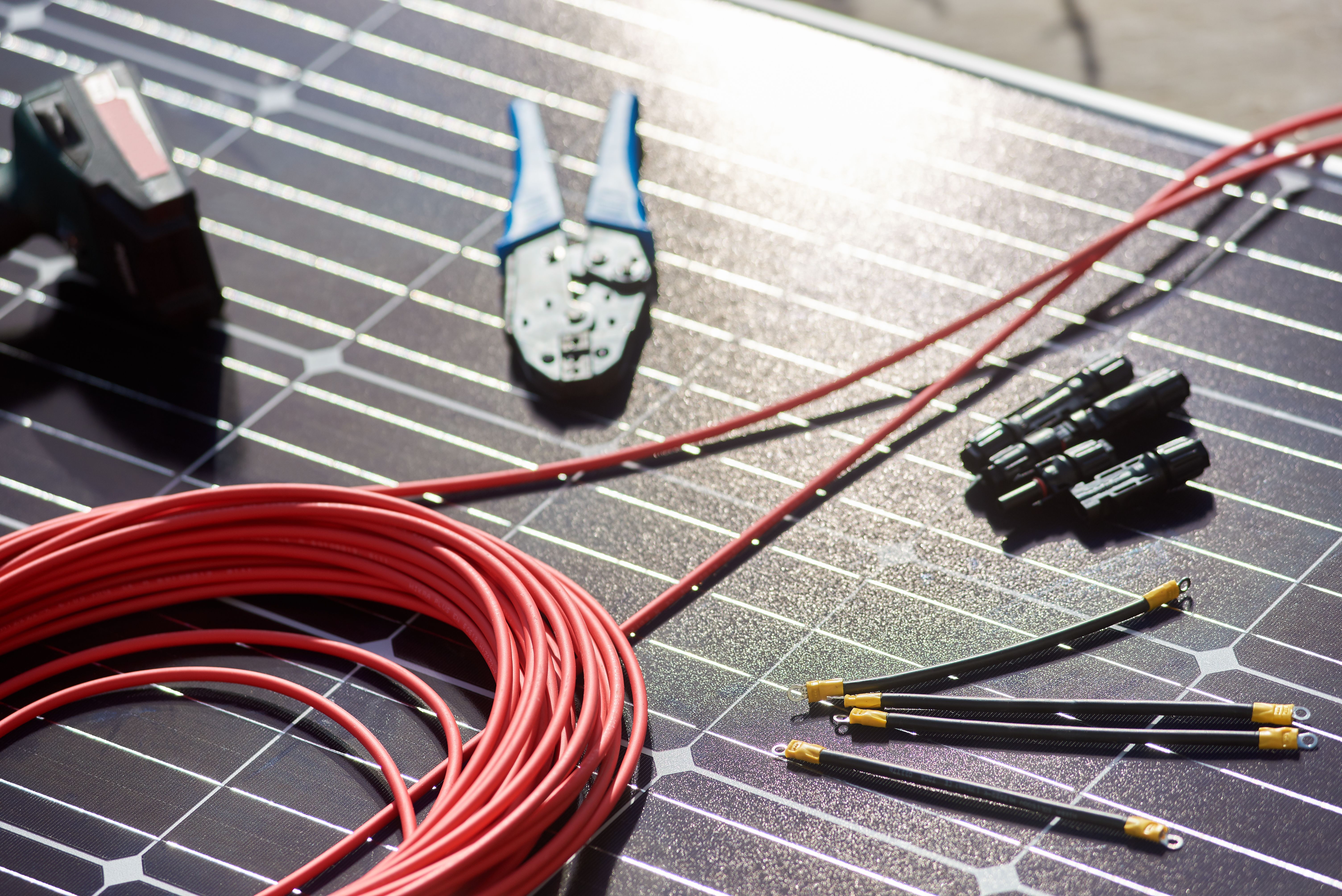
Next, connect the wiring to the panels. This step requires attention to detail, as incorrect wiring can lead to malfunctions or safety hazards. Connect the solar panels to the inverter, which will convert the DC electricity generated by the panels into AC electricity for your home.
Ensure all connections are secure and weatherproof to prevent damage from Baltimore's occasional storms. If you're unsure about this step, consider consulting a professional electrician for assistance.
Testing and Monitoring
Once everything is installed and connected, it's time to test your system. Turn on the inverter and monitor the energy production. Most modern systems come with monitoring software that allows you to track performance and identify any issues.
Regular monitoring will help you ensure your solar panels are functioning optimally, allowing you to make any necessary adjustments promptly.
Final Thoughts
Installing solar panels in Baltimore can be a rewarding DIY project, offering both financial and environmental benefits. By following these steps and adhering to local regulations, you can harness the power of the sun and enjoy sustainable energy for years to come.