DIY Guide: Installing Emergency Backup Systems with Renewable Energy
Ki
The Importance of Emergency Backup Systems
In today's world, having a reliable emergency backup system is becoming increasingly crucial. Power outages can occur unexpectedly due to natural disasters, grid failures, or other unforeseen events. By installing an emergency backup system, you ensure that your home or business remains operational during these critical times.
Renewable energy sources, such as solar and wind power, offer sustainable and reliable solutions for backup systems. They not only provide power during outages but also help reduce your carbon footprint, making them an environmentally friendly choice.

Choosing the Right Renewable Energy Source
When considering a renewable energy source for your backup system, it's essential to evaluate the options available. The most common choices are solar panels and wind turbines. Both have their advantages, and your decision may depend on factors such as geographic location, budget, and energy needs.
Solar Panels
Solar panels are a popular choice for many homeowners due to their ease of installation and maintenance. They work by converting sunlight into electricity, which can be stored in batteries for later use. If you live in an area with abundant sunlight, solar panels can be an efficient and cost-effective option.
Wind Turbines
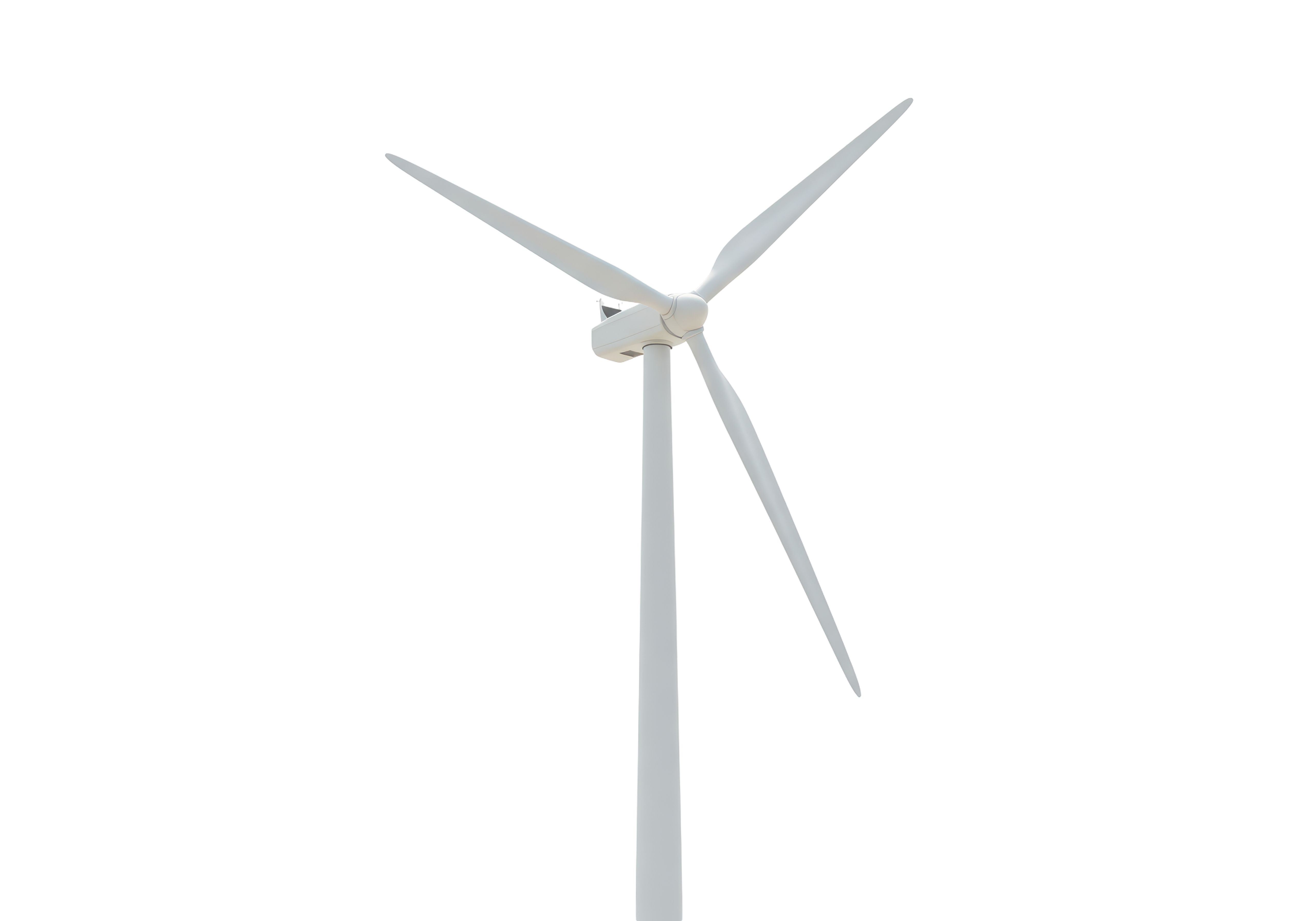
Wind turbines are another excellent choice for renewable energy. They harness the power of the wind to generate electricity. This option is particularly suitable if you live in a windy area, as they can produce significant energy even when the sun isn’t shining.
It's important to assess your specific needs and conditions before making a decision. Consider consulting with a renewable energy expert to determine the best solution for your situation.
Installing Your Emergency Backup System
Once you've chosen your energy source, the next step is installation. While it's possible to undertake this as a DIY project, it requires careful planning and attention to detail. Here’s a step-by-step guide to help you get started:
- Conduct a thorough energy audit to determine your power needs.
- Choose the appropriate size and type of renewable energy system.
- Purchase necessary equipment, including batteries, inverters, and charging controllers.
- Install the energy system in a location that maximizes efficiency.
- Connect the system to your home or business’s electrical infrastructure.
Safety Considerations
Safety should be a top priority when installing an emergency backup system. Ensure all electrical components are properly insulated and grounded. It might be wise to hire a certified electrician to inspect your setup, ensuring compliance with local codes and regulations.
Regular maintenance is also crucial. Keep your system in optimal condition by cleaning solar panels, checking battery health, and inspecting wiring periodically. With proper care, your backup system can provide reliable service for many years.
Maximizing Efficiency and Performance
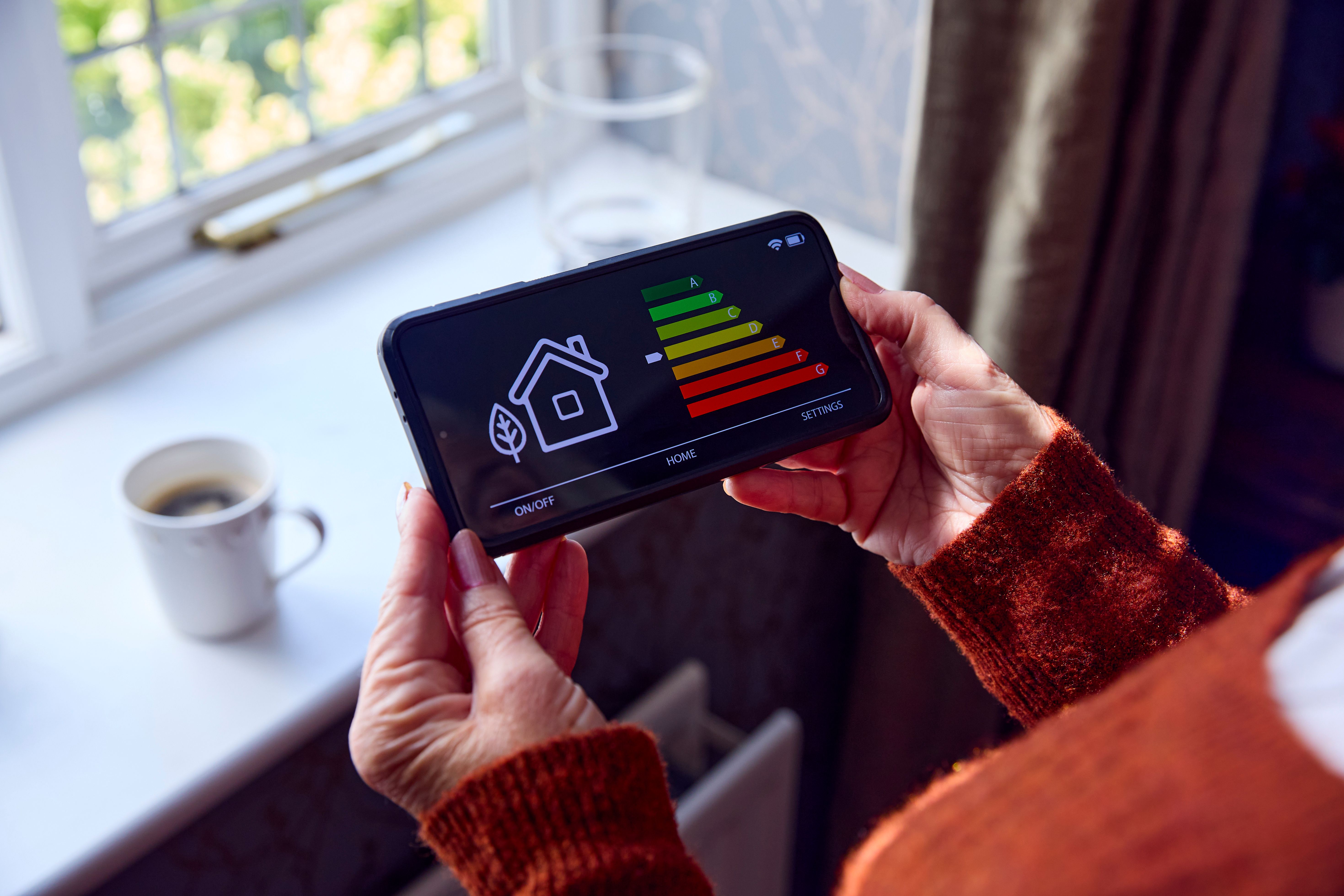
To get the most out of your renewable energy backup system, consider implementing energy-saving practices. Use energy-efficient appliances, LED lighting, and smart home technology to reduce your overall consumption.
By combining renewable energy with efficient usage, you can ensure a continuous power supply during emergencies while also enjoying reduced energy costs in the long run.