Debunking Myths About Disaster Relief Supplies: What You Really Need
Ki
When disaster strikes, having the right supplies can make all the difference. However, there's a lot of misinformation about what you actually need in an emergency. Let’s debunk some common myths about disaster relief supplies and ensure you're prepared with what truly matters.
Myth 1: Canned Goods Are the Best Food Option
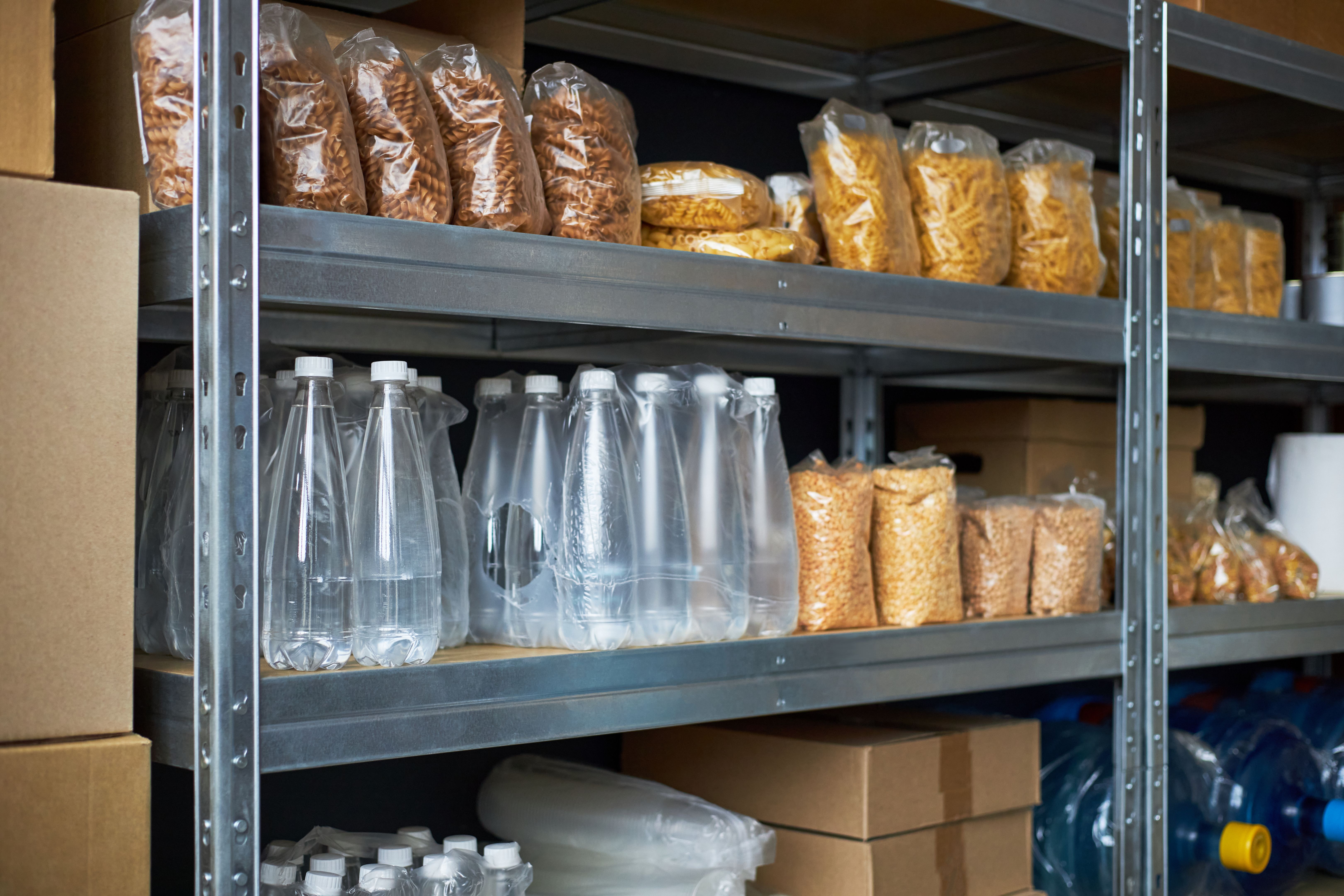
While canned goods are a staple in many emergency kits, they aren't the only or even the best option for everyone. Canned food is heavy and requires a can opener, which can be inconvenient in a high-stress situation. Consider lightweight, non-perishable alternatives like freeze-dried meals or energy bars that are easier to carry and consume.
Considerations for Special Diets
It’s crucial to account for any dietary restrictions or preferences when assembling your food supplies. Gluten-free, vegan, or low-sodium options can ensure everyone in your household has access to suitable nourishment during an emergency.
Myth 2: You Need a Huge Stockpile of Water
While water is essential, stockpiling large quantities can be impractical due to space and weight. Instead, focus on water purification methods. Portable filters, purification tablets, or even a small UV purifier can make almost any water source safe to drink. This approach is much more efficient and practical for long-term survival.

Alternative Water Sources
Be aware of alternative water sources in your area, such as rivers or lakes, and have a plan for how to access them. Knowing where to find water can be as crucial as having it stored.
Myth 3: First-Aid Kits Are Only for Minor Injuries
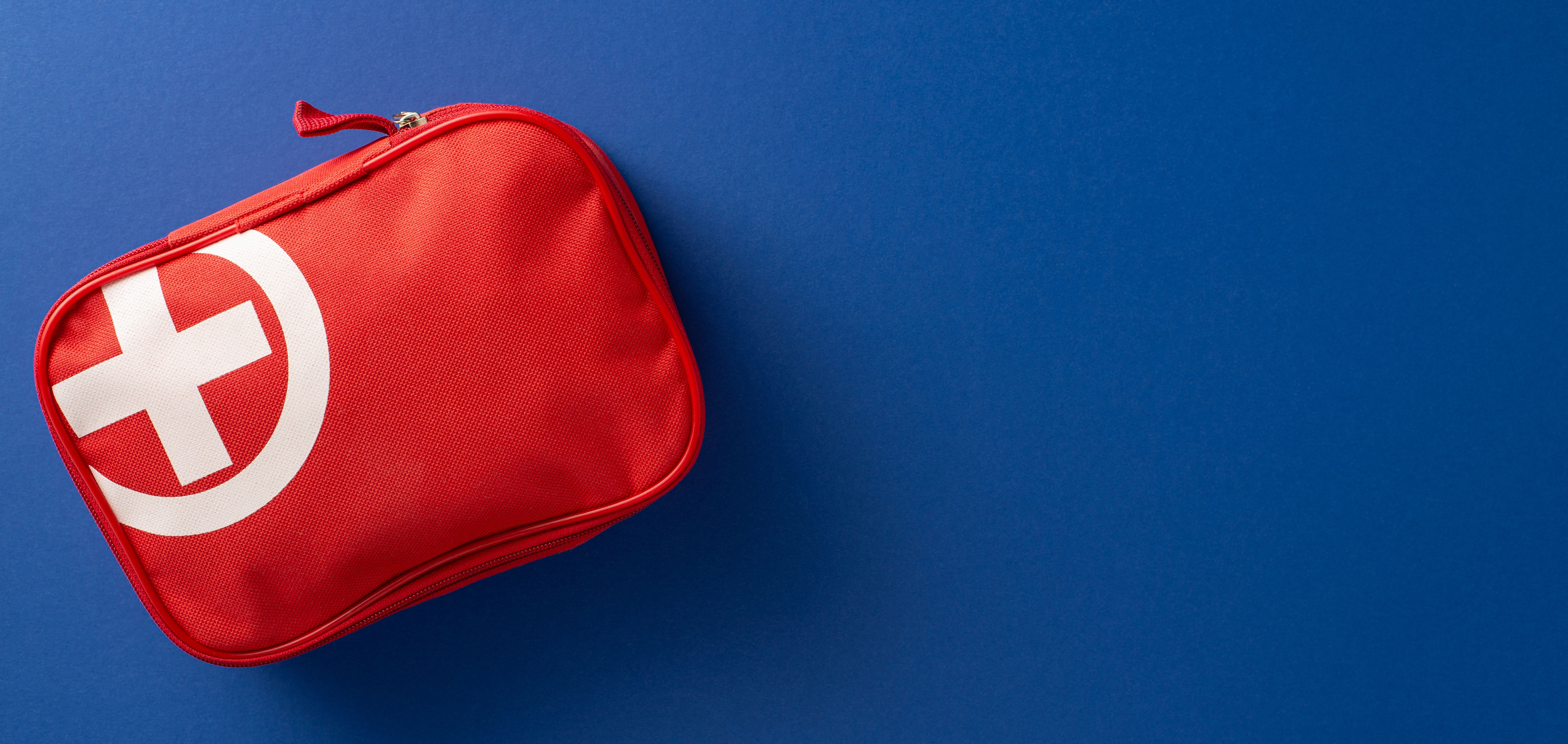
Many people underestimate the importance of a comprehensive first-aid kit. It’s not just for minor cuts and bruises. Ensure your kit includes supplies for more serious injuries, such as trauma dressings, splints, and even a tourniquet. This preparation can be life-saving in more severe scenarios.
Training and Knowledge
Having the right supplies is only part of the equation. It's equally important to know how to use them. Consider taking a basic first-aid and CPR course to prepare yourself for emergency situations.
Myth 4: Flashlights Are the Only Light Source You Need
Flashlights are essential, but they shouldn't be your only light source. Include candles, lanterns, and even glow sticks in your kit. These alternatives can provide longer-lasting light and are invaluable if your flashlight batteries run out.

Energy-Efficient Options
Consider solar-powered or hand-crank options for a sustainable light source. These can keep you illuminated without relying on a finite supply of batteries.
By debunking these common myths, you can ensure that your disaster relief supplies are practical, efficient, and truly beneficial when you need them the most. Proper preparation can offer peace of mind and increase your resilience against unforeseen events.