Debunking Common Myths About Renewable Energy Technologies
Ki
Understanding the Realities of Renewable Energy
Renewable energy technologies are rapidly gaining traction worldwide. However, despite their growing presence, several myths continue to cloud public perception. In this post, we'll examine some of these myths and separate fact from fiction, helping to clarify the true potential and limitations of renewable energy.

Myth 1: Renewable Energy Is Too Expensive
A common misconception is that renewable energy is prohibitively expensive. While this may have been true in the early stages, the cost of renewable technologies like solar and wind has dropped significantly over the past decade. According to recent studies, the cost of solar power has decreased by over 80%, and wind power has seen a similar reduction. These technologies are now competitive with, and often cheaper than, fossil fuels in many regions.
Additionally, the long-term savings from renewable energy are substantial. Once the initial investment is made, the ongoing costs are minimal, as sunlight and wind are free resources. This makes renewables not only a viable option but also a financially smart one.
Myth 2: Renewable Energy Can't Meet Our Needs
Another widespread belief is that renewable energy cannot provide a reliable supply of electricity. Critics argue that because solar and wind are intermittent, they cannot meet our energy demands consistently. However, advancements in technology have addressed many of these concerns.
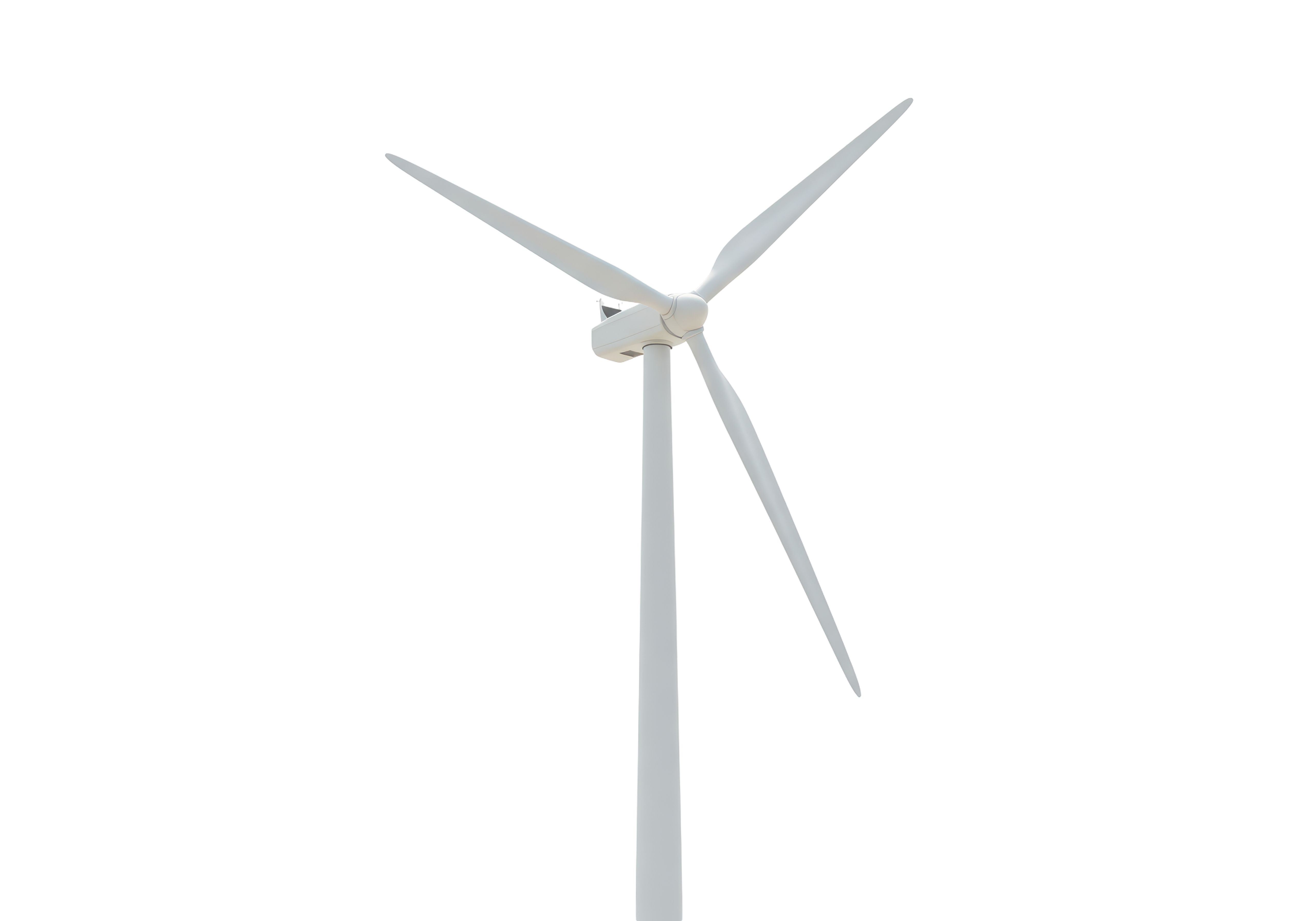
Battery storage systems, improved grid integration, and diversified energy sources are just a few innovations that help stabilize renewable energy supplies. By combining different types of renewables and enhancing storage capabilities, it's possible to achieve a reliable and resilient energy system.
Myth 3: Renewable Energy Is Harmful to the Environment
Some detractors claim that renewable energy technologies cause environmental harm, particularly to wildlife. For example, wind turbines are often criticized for endangering birds and bats. While it's true that improper siting can lead to such issues, the industry has made significant progress in mitigating these impacts.
Through careful planning and technological improvements, renewable energy developers can minimize environmental disturbances. Innovations like bird-friendly turbine designs and strategic placement ensure that the ecological footprint is kept as low as possible.

Myth 4: Transitioning to Renewables Will Lead to Job Losses
There's a fear that moving towards renewable energy will result in widespread job losses in traditional energy sectors. While there is a shift in the types of jobs available, the renewable energy sector is creating new opportunities at a rapid pace. In fact, renewable energy jobs are growing faster than those in fossil fuel industries.
The sector offers a diverse range of employment opportunities, from manufacturing and installation to research and development. As the demand for clean energy continues to rise, so too does the need for skilled workers in this burgeoning field.
The Future of Renewable Energy
By dispelling these myths, we can better understand the crucial role renewable energy plays in our future. Embracing these technologies not only addresses environmental concerns but also drives economic growth and energy independence. As innovation continues, renewables will become an even more integral part of our energy landscape.