Comparing Disaster Readiness Equipment: What Urban Areas Need
Ki
Understanding Disaster Readiness Equipment
In urban areas, preparing for potential disasters is crucial. From natural disasters like earthquakes and floods to man-made threats, the need for effective disaster readiness equipment is paramount. Understanding what equipment is essential can make a significant difference in the aftermath of a crisis.

Basic Emergency Kits
A basic emergency kit is the cornerstone of disaster readiness. Urban residents should ensure that their kits are well-stocked with non-perishable food, water, a flashlight, and a first-aid kit. These essentials can sustain individuals and families during the initial hours of a disaster.
In addition to the basics, consider including the following items:
- Battery-powered or hand-crank radio
- Extra batteries
- Whistle to signal for help
- Dust mask to filter contaminated air
Advanced Technology and Tools
As technology advances, so does the range of equipment available for disaster readiness. Urban areas can benefit from tools such as emergency mobile apps that provide real-time alerts and updates. Drones are also increasingly used to assess damage and locate individuals in need of assistance.
Personal locator beacons and satellite phones can be invaluable in situations where traditional communication networks are down. These devices ensure that individuals can call for help even in the most challenging circumstances.
Community-Based Equipment
Beyond individual preparedness, community-based equipment is essential in urban areas. This includes public emergency shelters equipped with generators, medical supplies, and sanitation facilities. Communities should also invest in training programs for volunteers who can assist during emergencies.
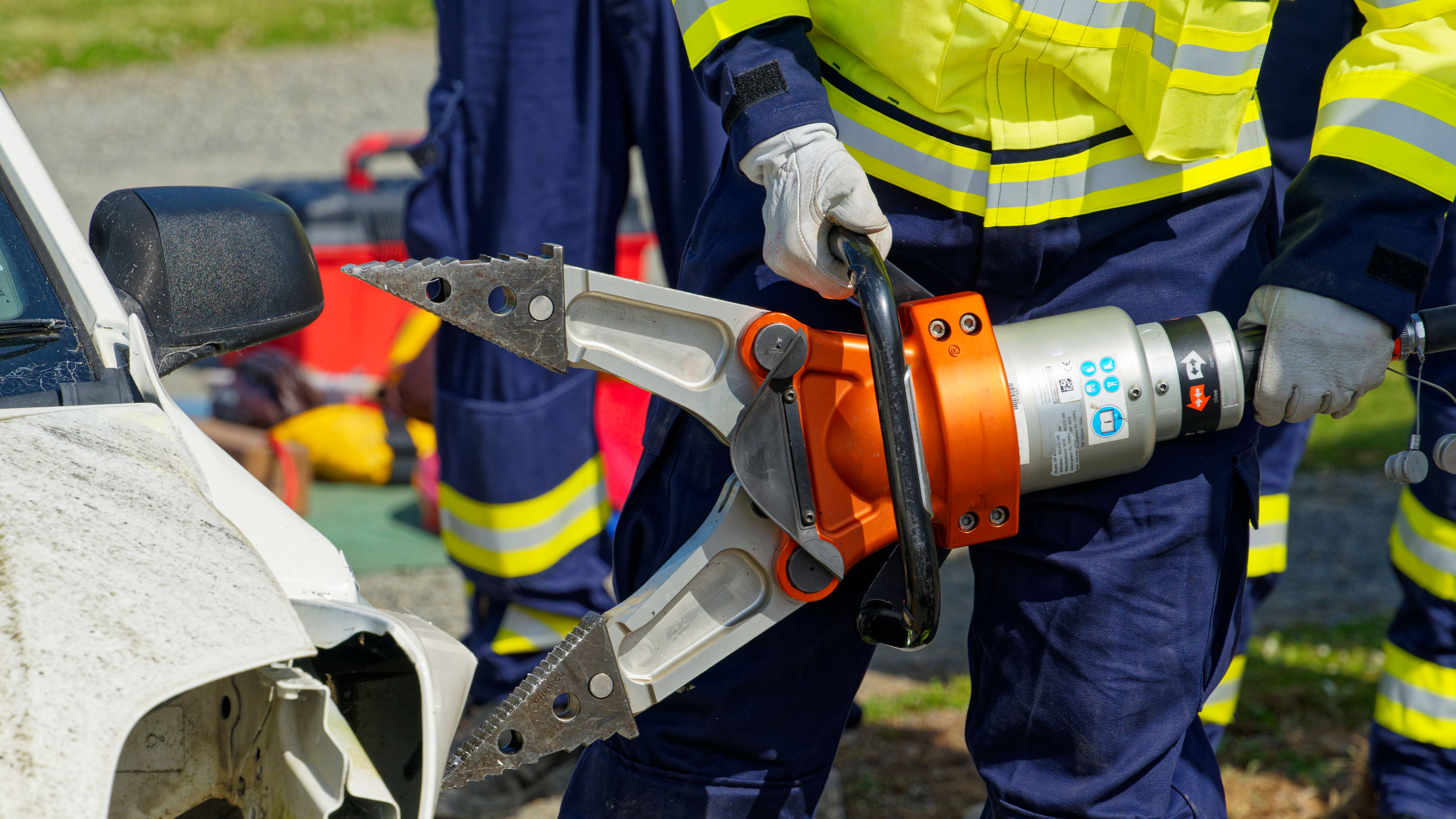
Urban areas can benefit from coordinated efforts to establish emergency response teams. These teams can be equipped with:
- Rescue tools like hydraulic jacks and cutters
- Medical response kits
- Communication devices for coordination

Regular Maintenance and Updates
Having the right equipment is only part of the solution; regular maintenance and updates are equally important. Urban areas should conduct routine checks to ensure that all equipment is in working order and replace items as necessary. This vigilance helps maintain readiness and effectiveness.
Engaging in regular drills and training sessions keeps both individuals and communities prepared for any eventuality. These activities help identify potential gaps in readiness and provide opportunities for improvement.
The Importance of Education and Awareness
Ultimately, the effectiveness of disaster readiness equipment in urban areas is heavily reliant on education and awareness. Residents should be informed about how to use their equipment and understand the importance of staying prepared. Community workshops and seminars can play a vital role in disseminating this crucial information.
By prioritizing readiness and investing in both individual and community resources, urban areas can significantly enhance their resilience against disasters.