Case Study: Successful Implementation of Wind Turbines in Urban Baltimore
Ki
Introduction
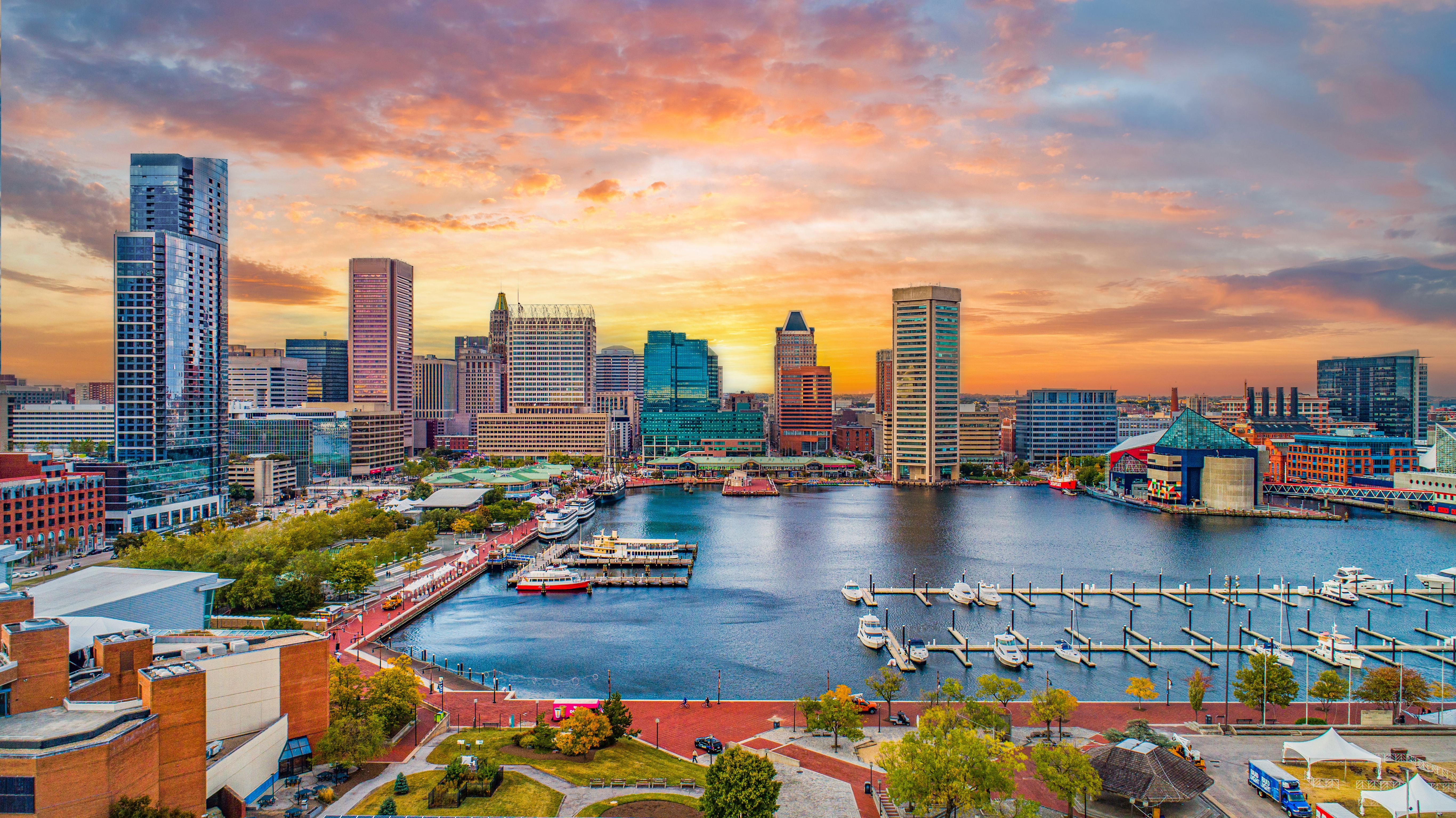
As cities strive for sustainability, urban areas are increasingly exploring renewable energy solutions. One notable example is Baltimore, which has successfully implemented wind turbines to power its urban landscape. This case study delves into how Baltimore achieved this remarkable feat and the benefits it has reaped.
Planning and Strategy
The journey began with comprehensive planning and strategy development. Baltimore's city planners conducted extensive research to identify suitable locations for wind turbines. They prioritized areas with sufficient wind flow and minimal impact on the local environment and community.
An essential part of the strategy was community engagement. By involving residents and stakeholders in the decision-making process, the city ensured transparency and gained public support. This collaborative approach played a crucial role in the project's success.
Implementation Process
Once the planning phase was complete, the implementation process began. The city partnered with leading renewable energy companies to install state-of-the-art wind turbines. These turbines were strategically placed to maximize energy output without disrupting the urban aesthetic.
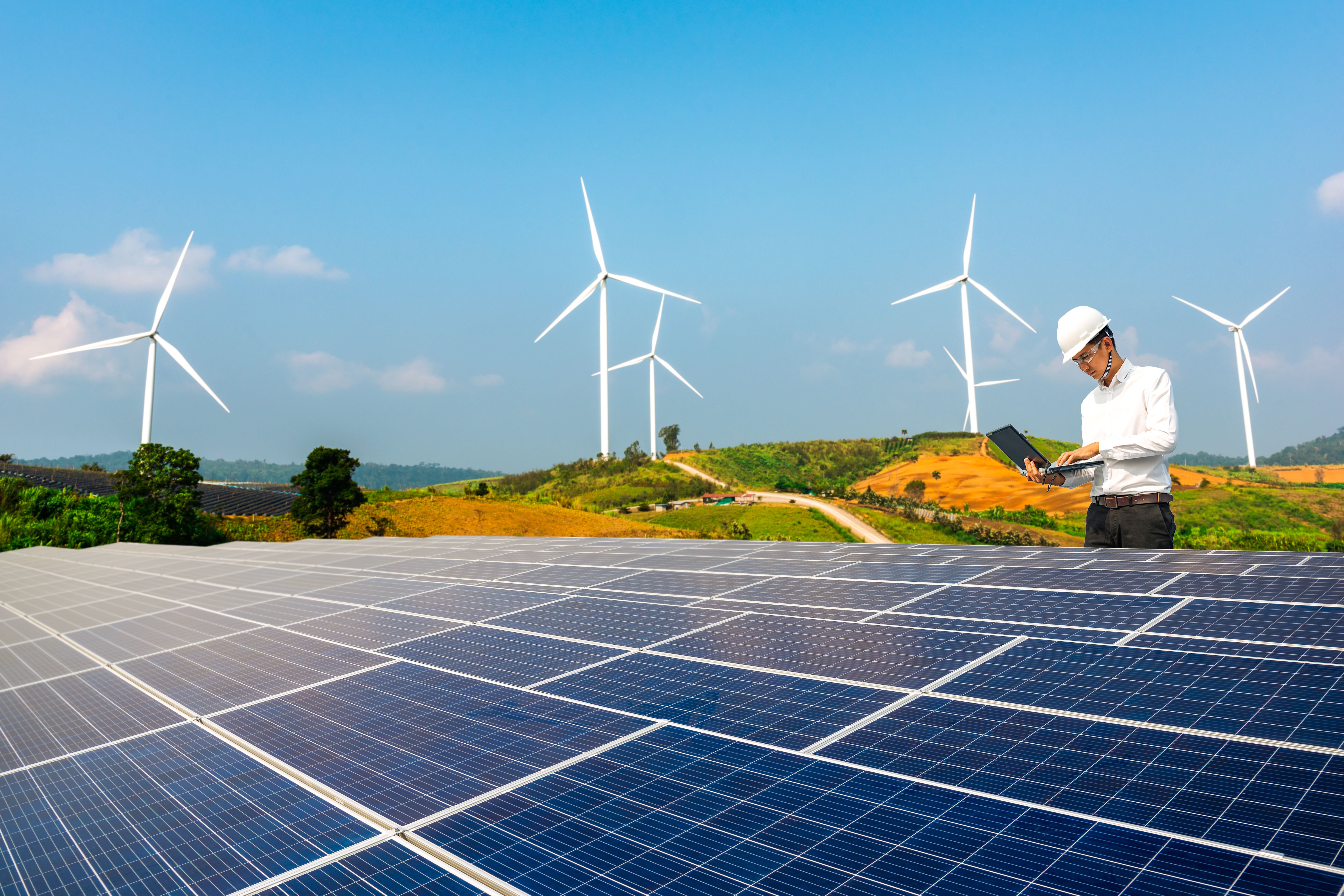
The project also included the modernization of the local grid infrastructure. This upgrade was necessary to efficiently integrate the generated wind energy into the city's power supply. As a result, Baltimore residents experienced minimal disruptions during the transition.
Benefits and Impact
The implementation of wind turbines in urban Baltimore has yielded numerous benefits. Firstly, it has significantly reduced the city's carbon footprint, contributing to cleaner air and a healthier environment. The shift to renewable energy has also decreased reliance on fossil fuels, promoting energy independence.
Moreover, the project has stimulated economic growth by creating jobs in the renewable energy sector. Local businesses have benefited from increased demand for services and support related to the new infrastructure. These developments have positively impacted the local economy.

Challenges and Solutions
Despite its success, the project faced several challenges. One major obstacle was the initial cost of installing wind turbines. To address this, Baltimore secured funding through public-private partnerships and government grants, ensuring financial feasibility.
Another challenge was maintaining the balance between technological advancement and preserving the city's historic charm. Through careful planning and design, the city managed to integrate modern turbines without compromising its architectural heritage.
Conclusion
Baltimore's successful implementation of wind turbines serves as a model for other urban areas aiming to embrace renewable energy. By prioritizing strategic planning, community involvement, and innovative partnerships, the city has demonstrated how urban centers can transition to sustainable energy solutions effectively.
As more cities look to reduce their environmental impact, Baltimore's approach offers valuable insights into achieving a greener future while fostering economic growth and community support.