Case Study: Successful Implementation of Green Energy Solutions in Baltimore Businesses
Ki
Introduction
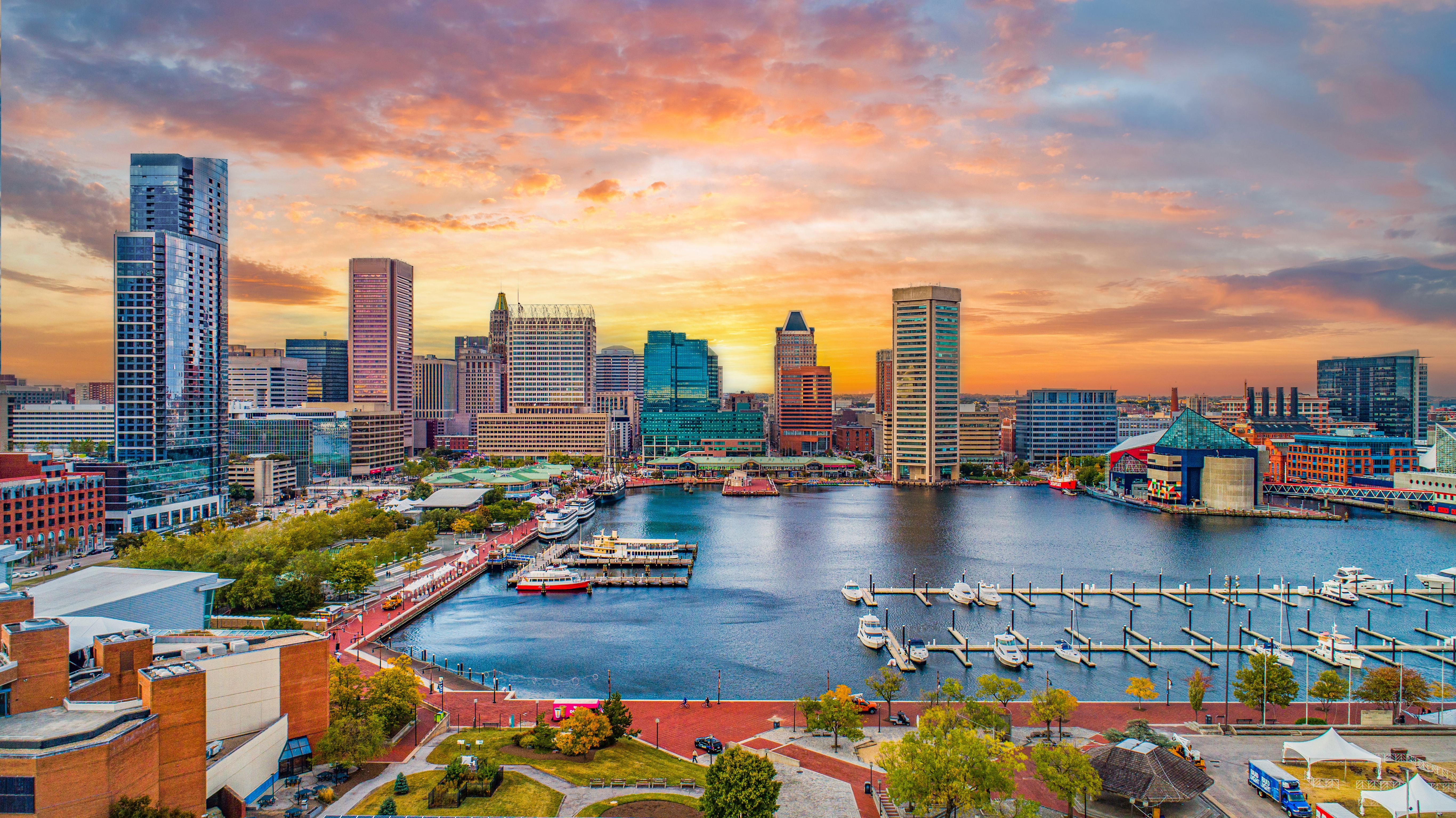
In recent years, the push for sustainable practices has gained momentum in various sectors. Baltimore businesses are leading the charge by adopting green energy solutions that not only reduce their carbon footprint but also enhance operational efficiency. This case study explores how businesses in Baltimore are successfully implementing these solutions, offering valuable insights for others aiming to follow suit.
Understanding Green Energy Solutions
Green energy solutions encompass a variety of technologies designed to harness renewable resources such as solar, wind, and geothermal power. These solutions have become increasingly popular due to their ability to provide clean energy while reducing reliance on fossil fuels. Baltimore businesses have recognized the potential benefits, leading to widespread implementation across the city.
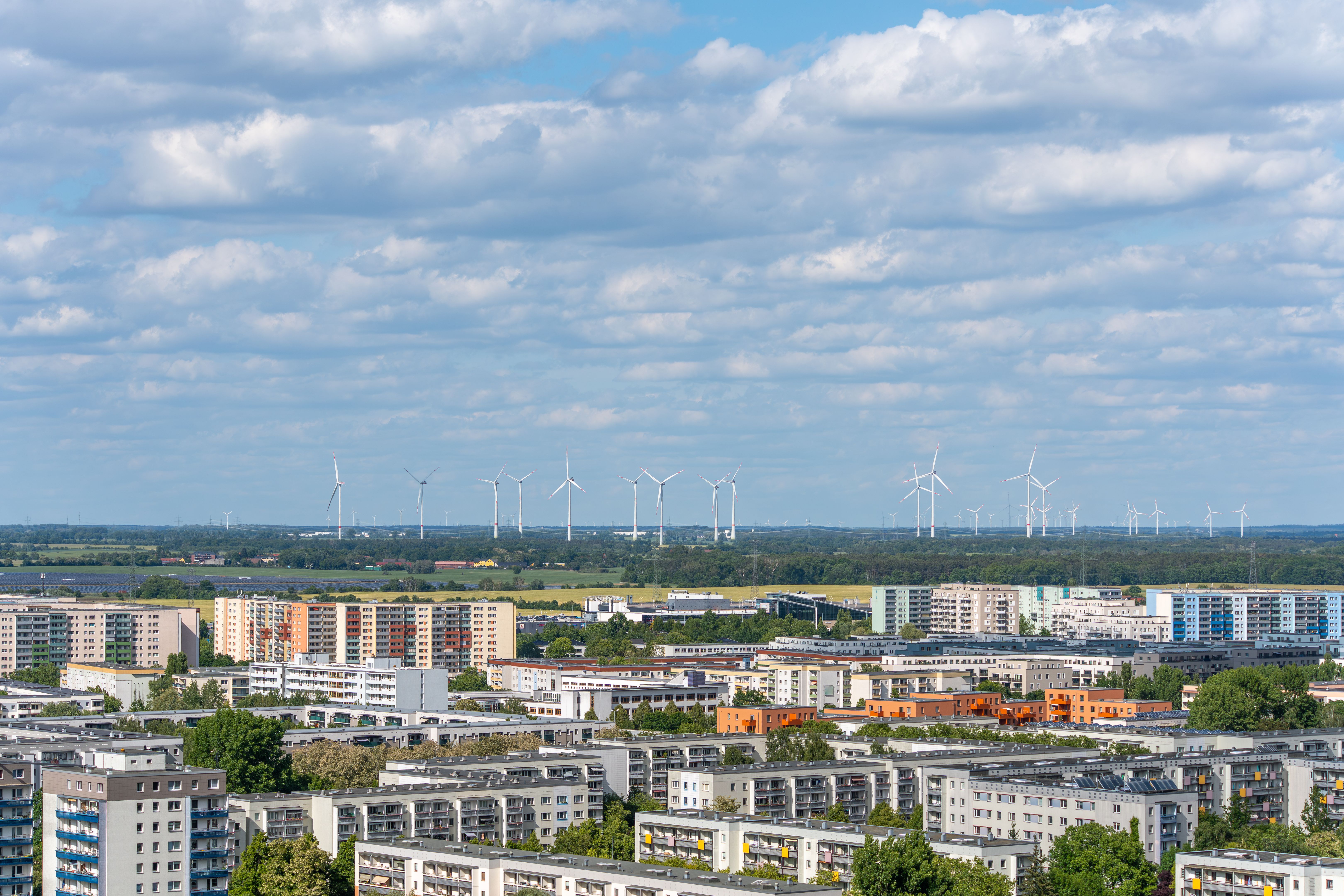
Among the most adopted technologies are solar panels and wind turbines. These systems not only provide a sustainable energy source but also offer long-term cost savings. Businesses are finding that the initial investment is often offset by reduced energy costs and government incentives.
Case Study: A Local Retailer’s Success
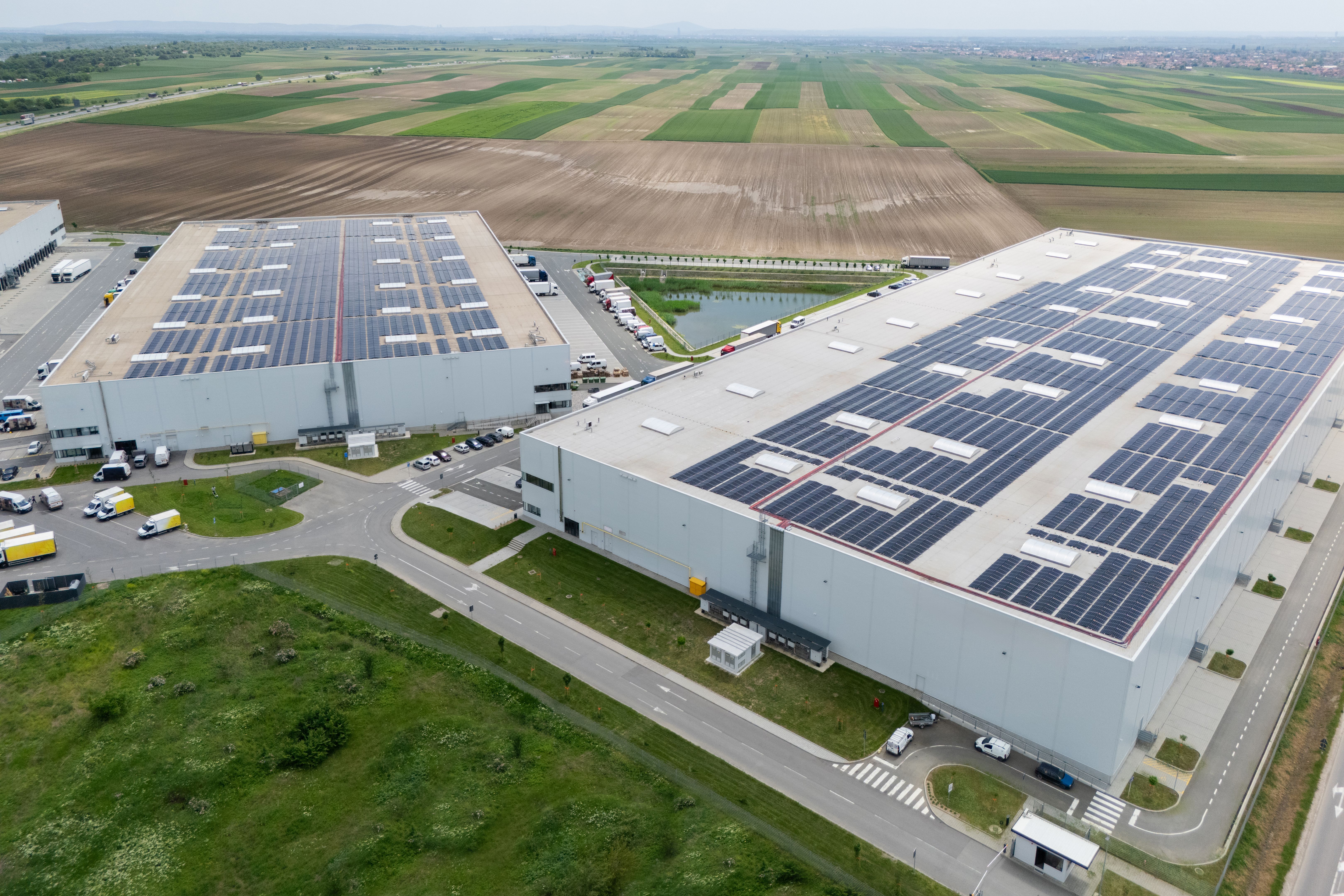
One notable example is a local retailer that integrated solar panels into its operations. By installing panels on the rooftop of their facility, they were able to generate 60% of their energy needs from solar power. This move not only reduced their electricity bills significantly but also attracted eco-conscious customers, boosting their brand image.
The retailer also took advantage of state and federal tax credits, which made the transition more financially viable. This strategic investment has resulted in substantial annual savings, demonstrating the economic benefits of green energy solutions.
Collaboration with Local Authorities
Baltimore businesses have also benefited from strong collaboration with local authorities. The city has implemented policies that support green initiatives, such as offering incentives for businesses that adopt renewable energy technologies. This partnership has been crucial in facilitating the transition to sustainable practices.
- Tax incentives for renewable energy installations
- Grants for research and development in green technologies
- Training programs for employees in sustainable practices
Challenges and Solutions
Despite the success stories, the transition to green energy is not without challenges. Businesses often face hurdles such as high initial costs and the need for technological expertise. However, many have overcome these obstacles through strategic planning and partnerships with energy consultants.
By conducting thorough energy audits and leveraging government programs, businesses have found ways to minimize costs and maximize efficiency. This proactive approach ensures that the shift to green energy is both sustainable and economically sound.
Conclusion
The successful implementation of green energy solutions in Baltimore businesses serves as an inspiring example for others looking to make a similar transition. By embracing renewable technologies, collaborating with local authorities, and overcoming challenges through strategic planning, these businesses have set a precedent for sustainable practices that benefit both the environment and the bottom line.
As more businesses follow this path, Baltimore continues to pave the way for a greener, more sustainable future.