Case Study: Successful Implementation of Green Energy in a Baltimore Business
Ki
Introduction to Green Energy Implementation
The shift towards sustainable energy solutions is more crucial than ever. In Baltimore, one business has successfully implemented green energy strategies, setting a benchmark for others. This case study explores the journey, challenges, and triumphs of adopting renewable energy solutions.
Initial Challenges and Objectives
Transitioning to green energy is not without its hurdles. The primary goal for the Baltimore business was to reduce its carbon footprint while maintaining operational efficiency. Initial assessments revealed outdated energy systems that contributed significantly to environmental degradation and operational costs.
The business aimed to achieve a 40% reduction in energy consumption within the first year. This ambitious target required strategic planning and collaboration with energy consultants and local authorities.
Strategic Planning and Partnerships
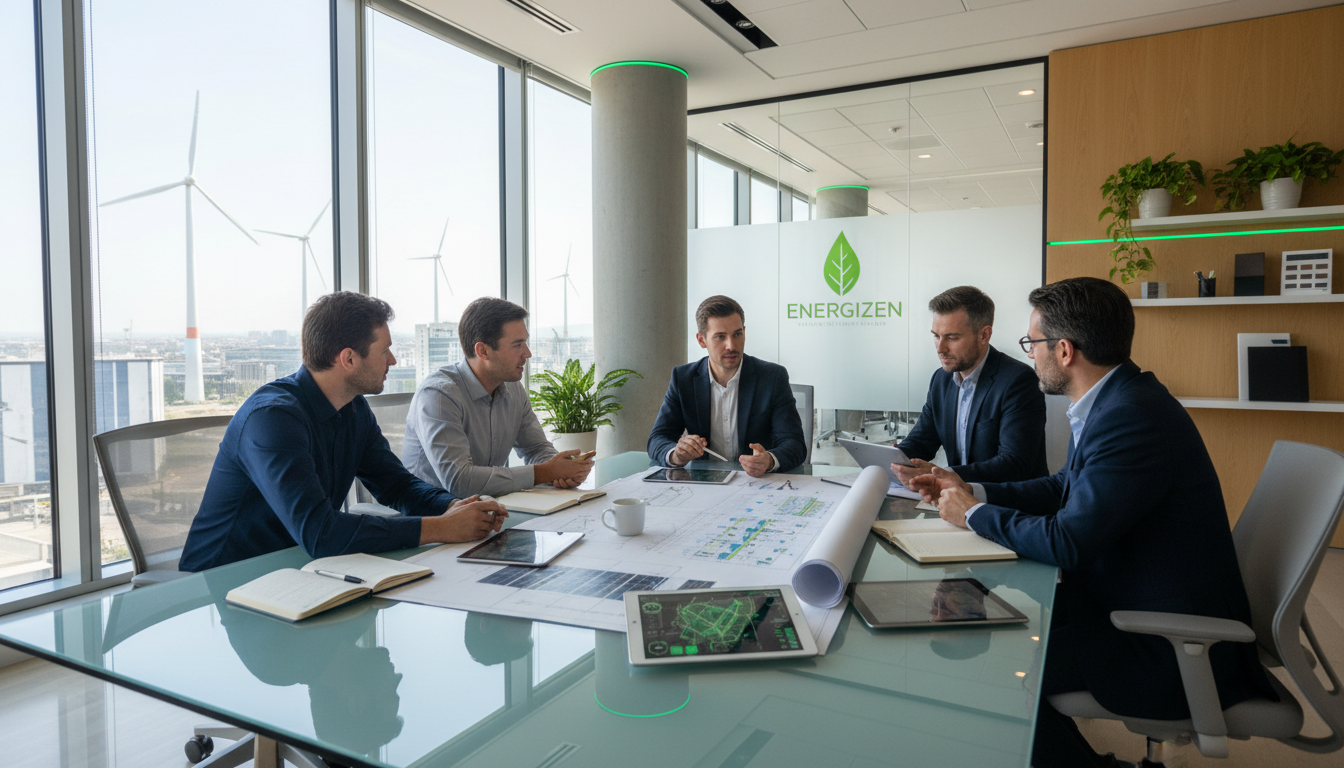
Developing a robust strategy was key. The business partnered with local green energy providers to explore solar and wind energy options. A comprehensive audit was conducted to identify areas where energy consumption could be minimized through technological upgrades.

In addition to infrastructure changes, the business implemented employee training programs to promote energy-saving practices. This holistic approach ensured that every team member contributed to the sustainability goals.
Implementation Process
The implementation phase involved several critical steps:
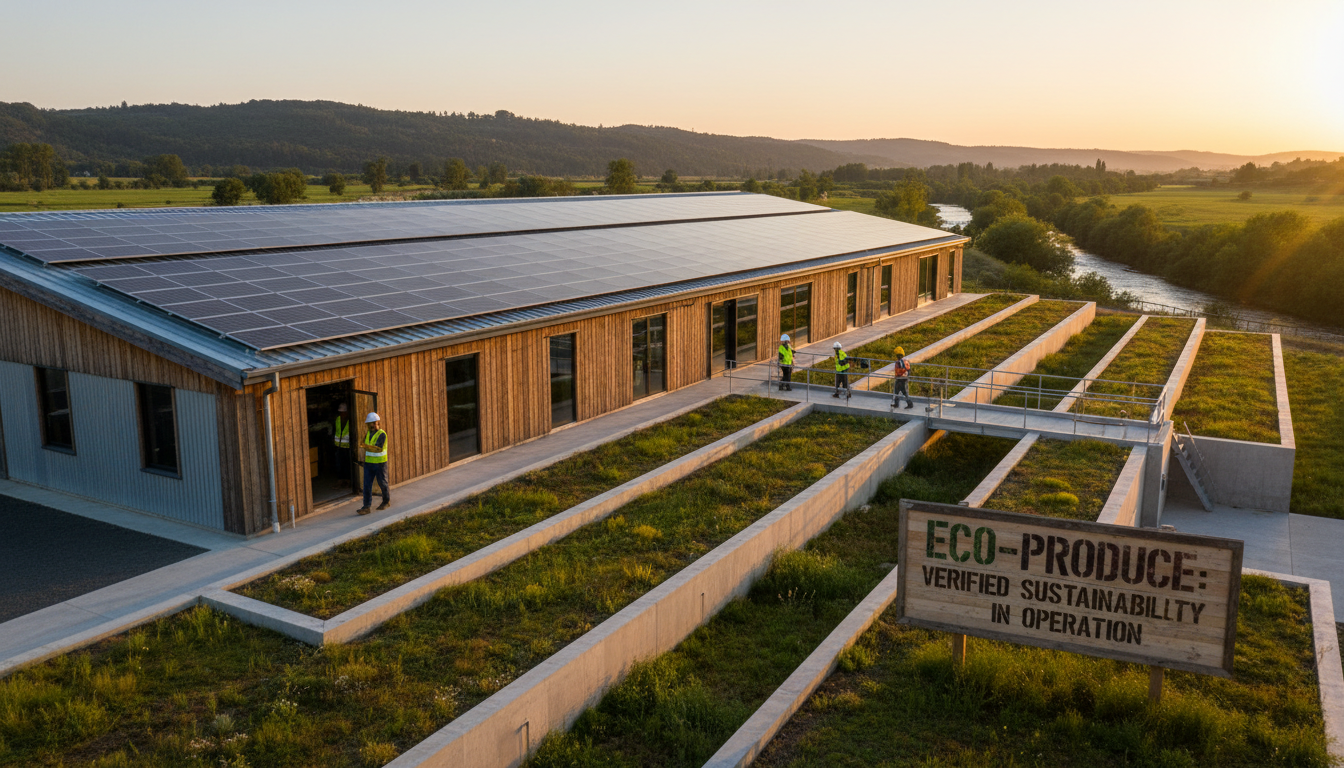
- Installation of solar panels on the rooftops to harness natural energy.
- Upgrading HVAC systems to energy-efficient models.
- Integrating smart energy management systems to monitor usage in real-time.
These steps not only reduced energy consumption but also resulted in significant cost savings, allowing the business to reinvest in further green initiatives.

Outcomes and Benefits
The results were impressive. Within the first year, the business achieved a 45% reduction in energy consumption, surpassing its initial goal. This reduction translated to a 30% decrease in energy costs, boosting overall profitability.
Moreover, the shift to green energy enhanced the company's brand image, attracting environmentally conscious customers and partners. The business became a model of sustainability in the community, inspiring others to follow suit.
Lessons Learned
Several lessons emerged from this successful implementation:
- Collaboration: Partnering with experts and local authorities is essential for overcoming technical and regulatory challenges.
- Employee Engagement: Involving staff in sustainability initiatives increases their effectiveness and fosters a culture of environmental responsibility.
- Continuous Monitoring: Using smart systems to track energy usage helps in making informed decisions and further optimizations.
Conclusion
The Baltimore business's journey to green energy serves as a powerful example of what can be achieved with commitment and strategic planning. By embracing renewable energy, businesses not only contribute to environmental preservation but also enjoy tangible economic benefits.
As more companies consider sustainable practices, this case study offers valuable insights into the successful implementation of green energy solutions, paving the way for a cleaner, more sustainable future.