Alternative Energy Sources in Maryland: A Comprehensive Guide
Ki
Introduction to Alternative Energy Sources
Maryland, a state rich in natural beauty and resources, is at the forefront of the transition to alternative energy sources. With a growing commitment to sustainability, Maryland is exploring various renewable energy options to reduce its carbon footprint and foster a greener future.
As climate change continues to be a pressing issue, the state has recognized the importance of investing in renewable energy. This comprehensive guide will explore the various alternative energy sources available in Maryland and their benefits.
Solar Energy
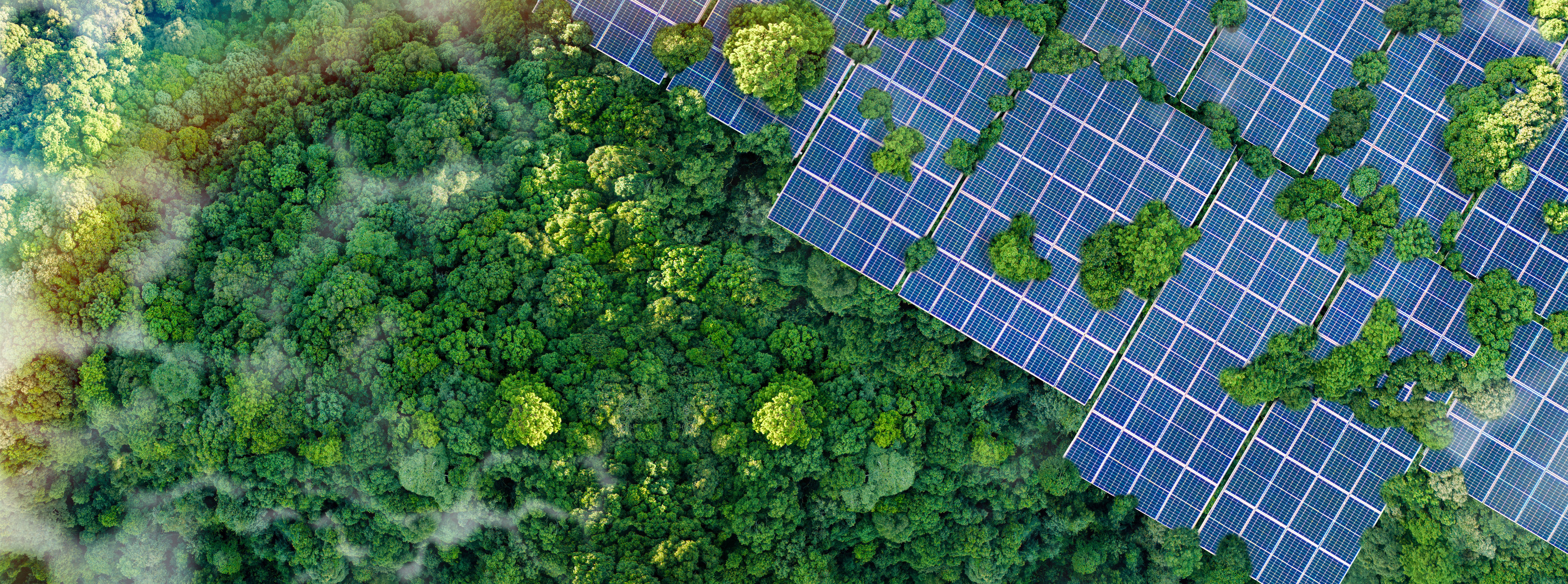
Solar energy is one of the most popular renewable energy sources in Maryland. The state offers abundant sunshine, making it an ideal location for solar panel installations. Many homeowners and businesses are taking advantage of solar incentives, which include tax credits and rebates, to reduce installation costs.
Solar farms are also becoming increasingly common, contributing significantly to the state's energy grid. These farms harness the sun's power to generate electricity, providing a clean and sustainable energy source for thousands of Maryland residents.
Wind Energy
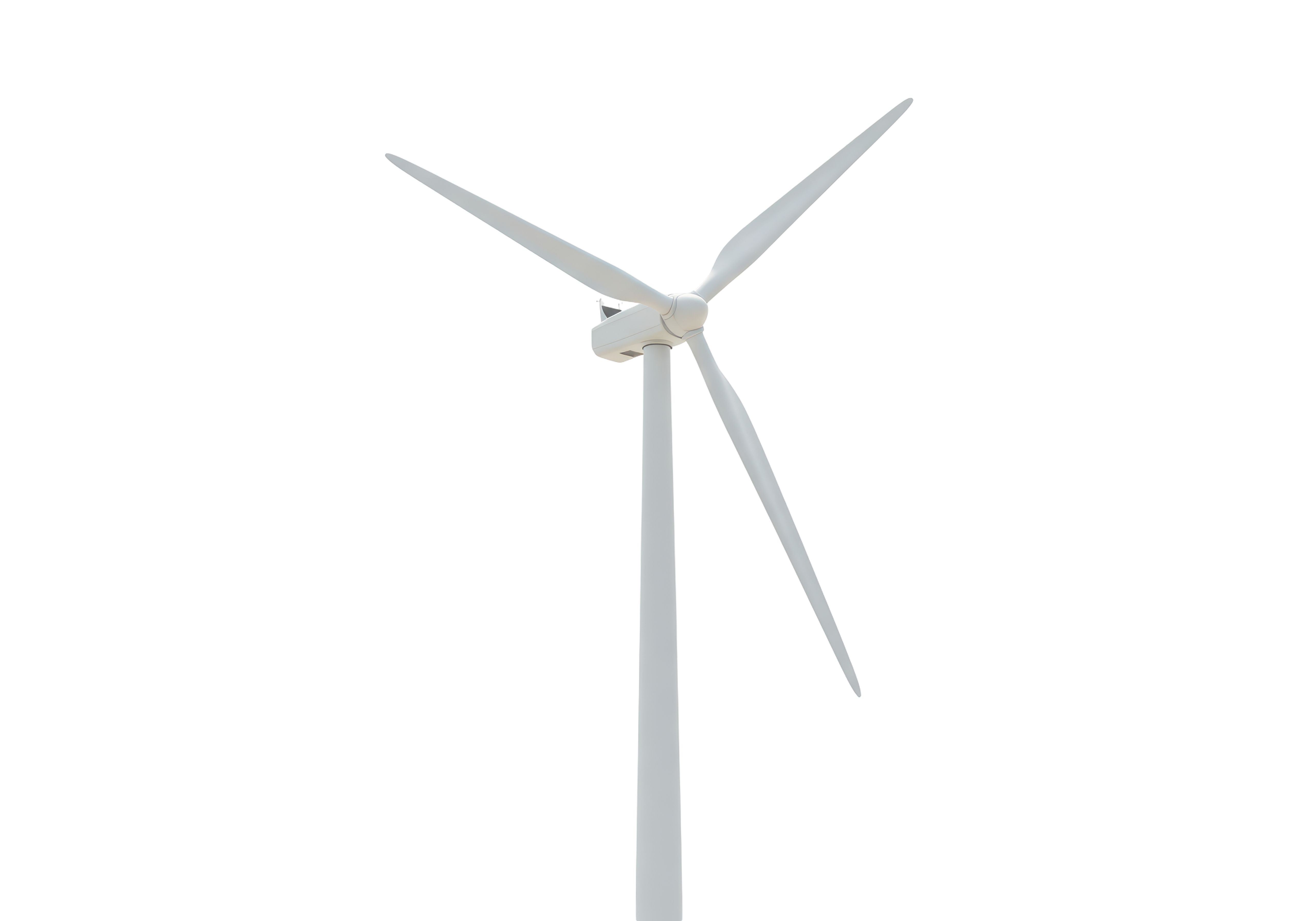
Maryland's coastal location makes it a prime candidate for wind energy. Offshore wind farms are being developed to capture the strong and consistent winds along the coast, providing a significant boost to the state's renewable energy portfolio.
The development of wind farms not only supports energy sustainability but also creates new job opportunities in the region. The state's commitment to wind energy demonstrates a forward-thinking approach to harnessing natural resources.
Hydroelectric Power
Hydroelectric power is another alternative energy source that Maryland is tapping into. With numerous rivers and streams, the state has the potential to generate substantial electricity through hydropower plants. These plants convert the kinetic energy of flowing water into electricity, providing a reliable and renewable energy source.
The environmental impact of hydroelectric power is minimal, making it an attractive option for Maryland's energy strategy. It also plays a crucial role in balancing the energy grid during peak demand times.
Biomass Energy
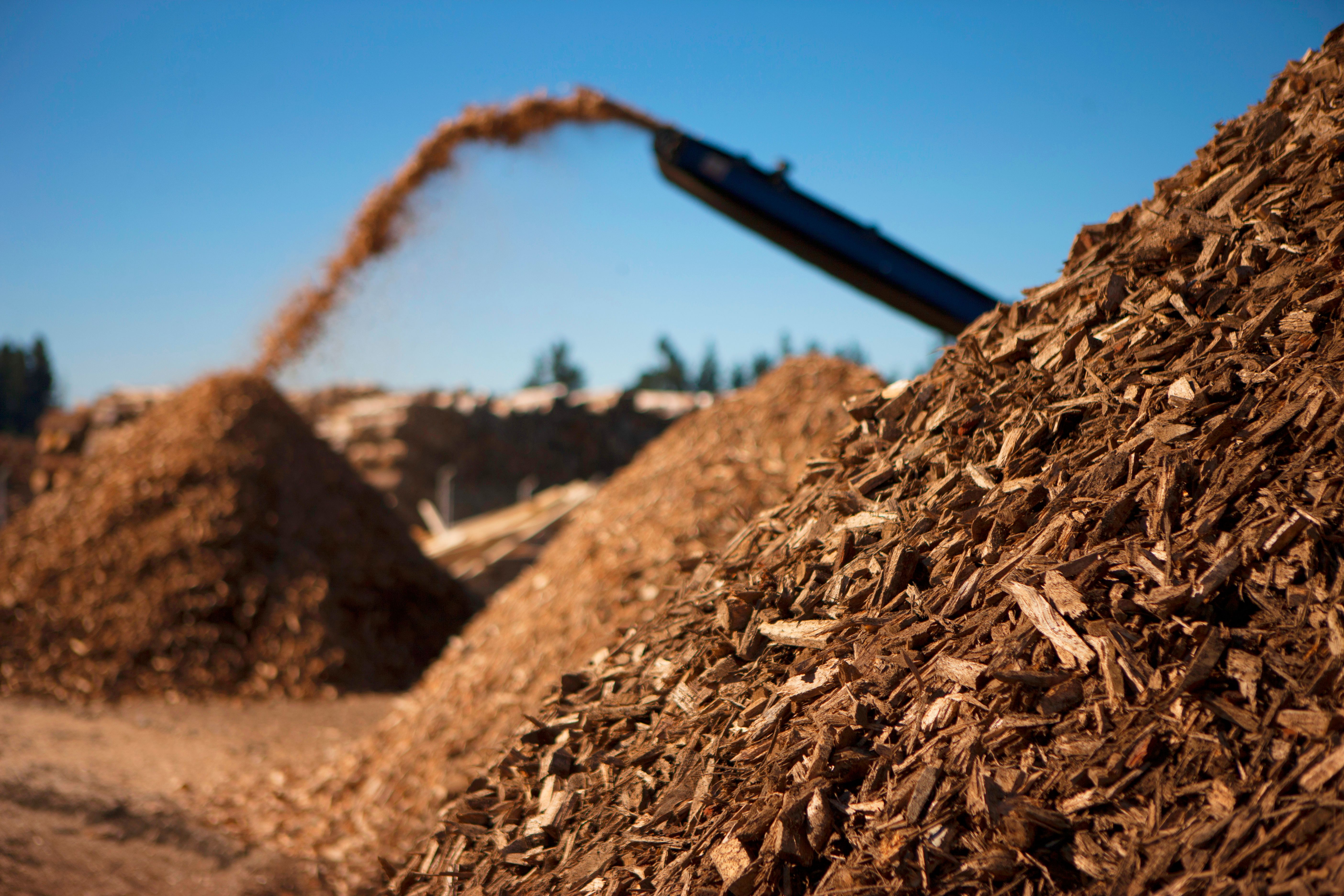
Biomass energy is derived from organic materials such as wood, agricultural crops, and waste. In Maryland, biomass is used to produce biofuels and generate electricity. This alternative energy source helps reduce waste and decreases reliance on fossil fuels.
Efforts to promote biomass energy are supported by various state programs aimed at increasing the use of renewable energy sources. These programs encourage local farmers and businesses to participate in biomass energy production, contributing to the state's sustainability goals.
Conclusion
Maryland's exploration and implementation of alternative energy sources are paving the way for a sustainable future. By investing in solar, wind, hydroelectric, and biomass energy, the state is reducing its carbon footprint and fostering economic growth.
The commitment to renewable energy not only benefits the environment but also enhances energy security and creates new job opportunities. As Maryland continues to innovate and expand its renewable energy initiatives, it serves as a model for other states looking to embrace a greener future.